



*******************************************
Seek (true) light, skip shadows.
********************************************

******************************************

****************************************
Click Here: CHRISTIAN MEDITATION DETOX (@meditation-detox.bsky.social) — Bluesky
********************************************************
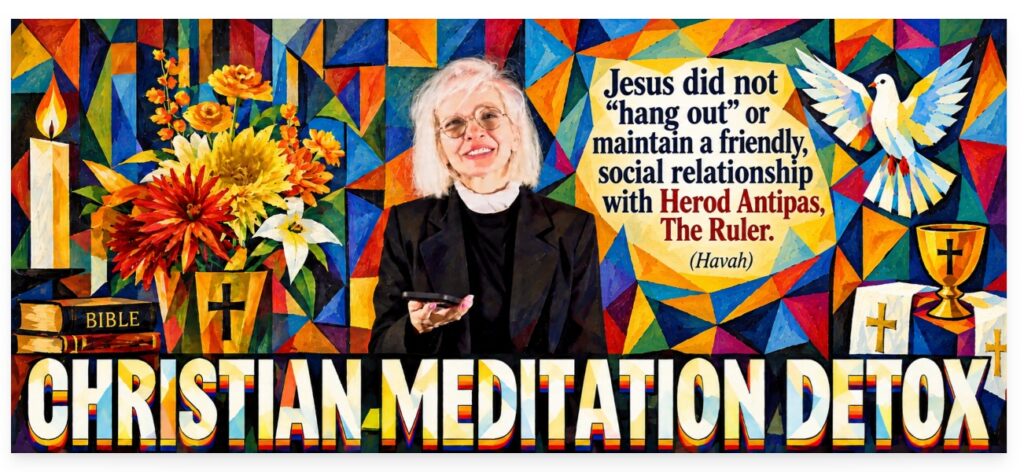
Christian Meditation Detox: What is it?
Pause for a moment. Open your Bible and let the words fill your heart. These are God’s words, spoken through prophets like Moses and Elijah, and fulfilled in His Son, Jesus. Reflect. Pray. Experience the power of His presence today.
What Christian Meditation is NOT:
Christian meditation is NOT about yoga exercises or connecting with other so-called gods of nature, like the moon goddess or the sun god. Christian meditation is NOT about chanting or humming to Buddha or any mortal person—because only Jesus (Yeshua), the Son of God, died, rose again, and is alive today, seated at the right hand of the Father.
Christian meditation is NOT about praying to multiple gods or a vague spiritual force. It’s about engaging with the mystery of the Trinity—Father, Son, and Holy Spirit—one God in three Persons.
Christian meditation is NOT asking God to change everyone else; it’s letting God search your heart and transform you from the inside out, so you can love others as Christ loves you.
As we approach the last 100 days of this year, 2026, ask yourself:
There are 100 days until the end of the year. Meditate on that.
– Have you loved your enemies and prayed for them, that God’s mercy would cover them?
– Have you prayed for political leaders, so they can guide the world toward what’s good and just?
– Have you helped an immigrant, a widow, or a child in need?
There’s still time to live out God’s Word—not just in our hearts, but through our actions—before this year ends. Let’s be the hands and feet of Jesus to our generation. Wishing you a blessed month!

**********************************************
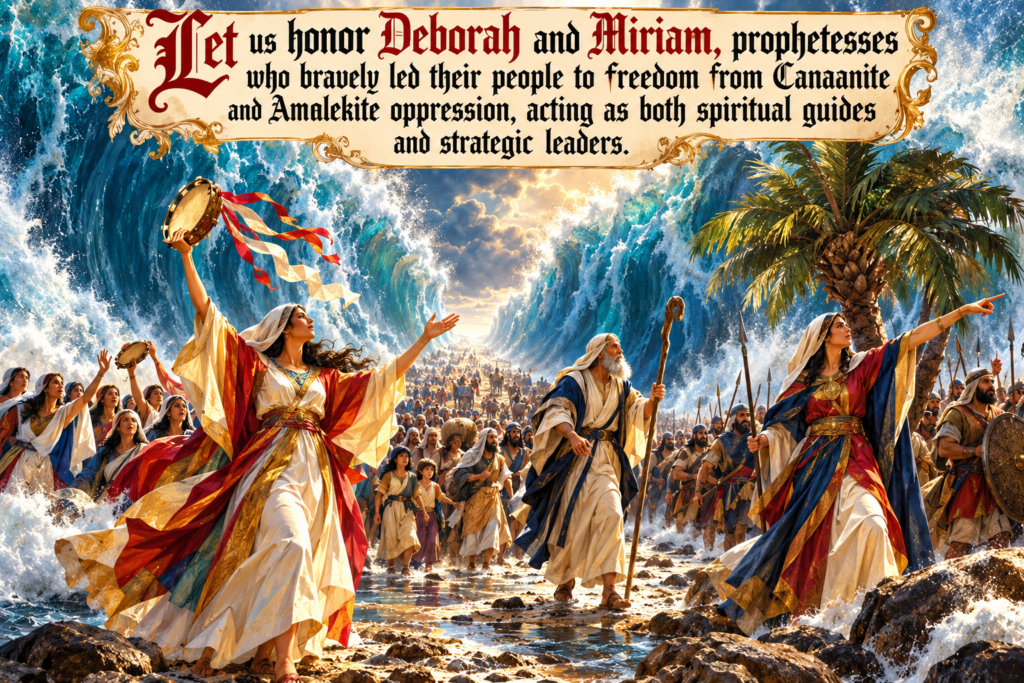
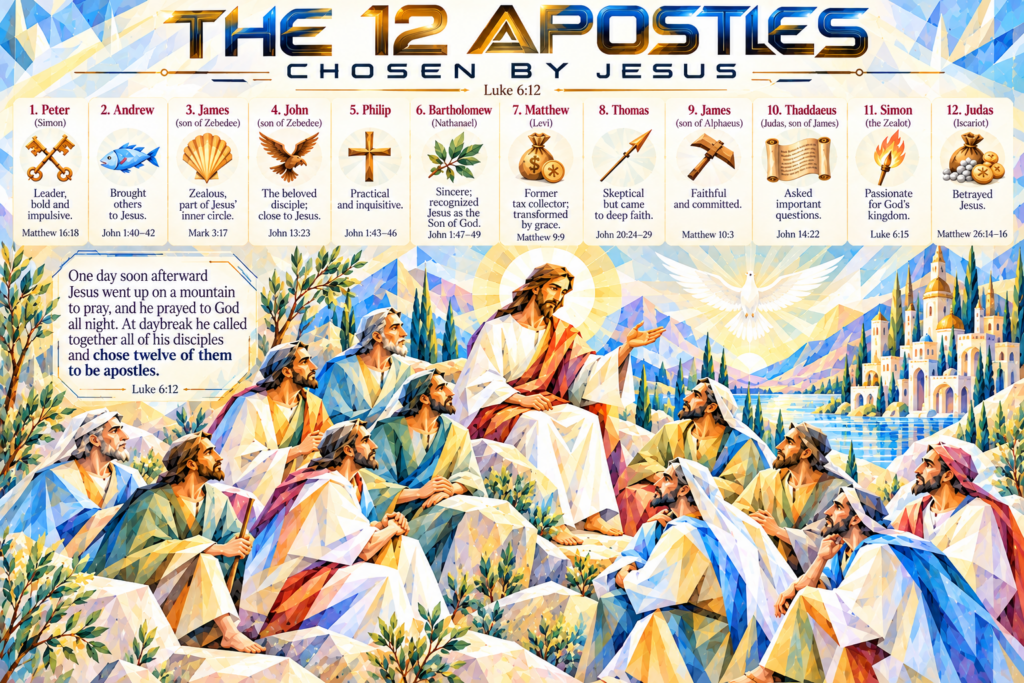
To my fellow Practitioners: When you have to ‘exorcise’ two or three ‘unclean spirits’ a day, so to speak, you might as well look the part. Indeed, we acknowledge that Jesus chose 12 men to do the walking but we must also recognize that it was the women who kept everything running–emotianally and financially.
****************************************************
******************************************
************************************************
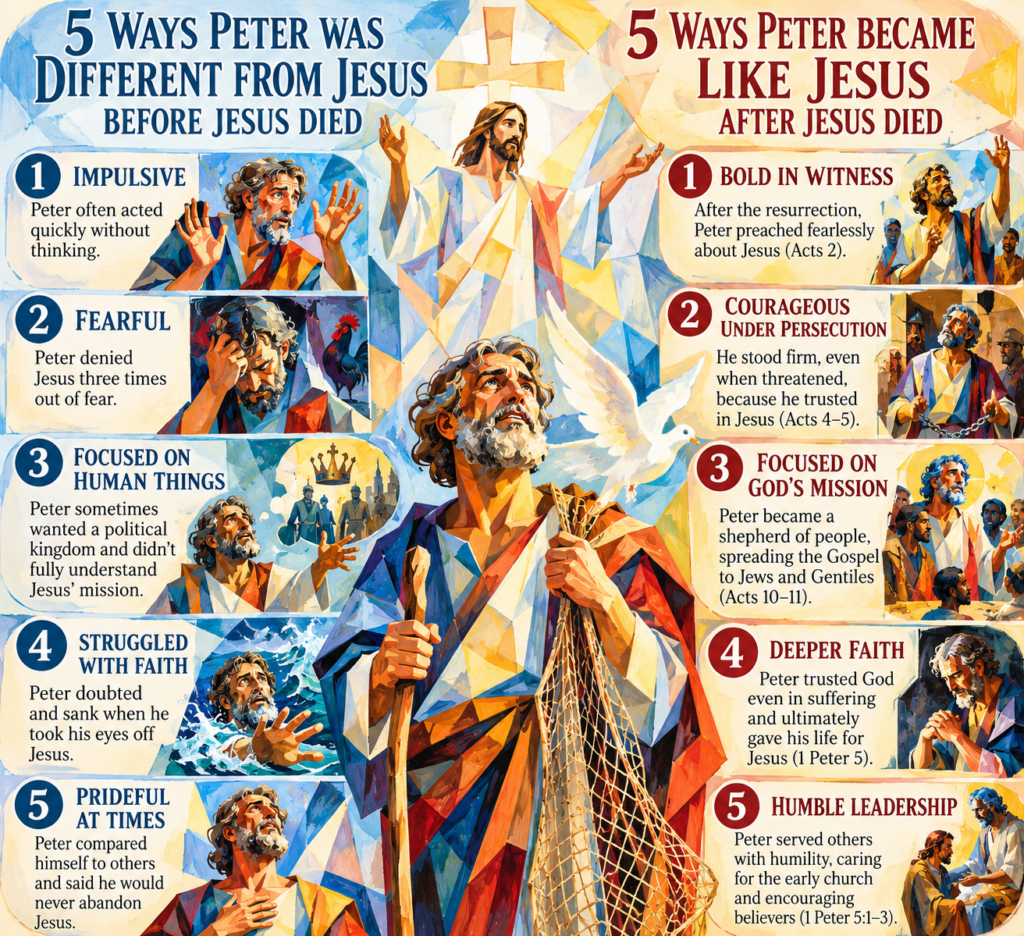
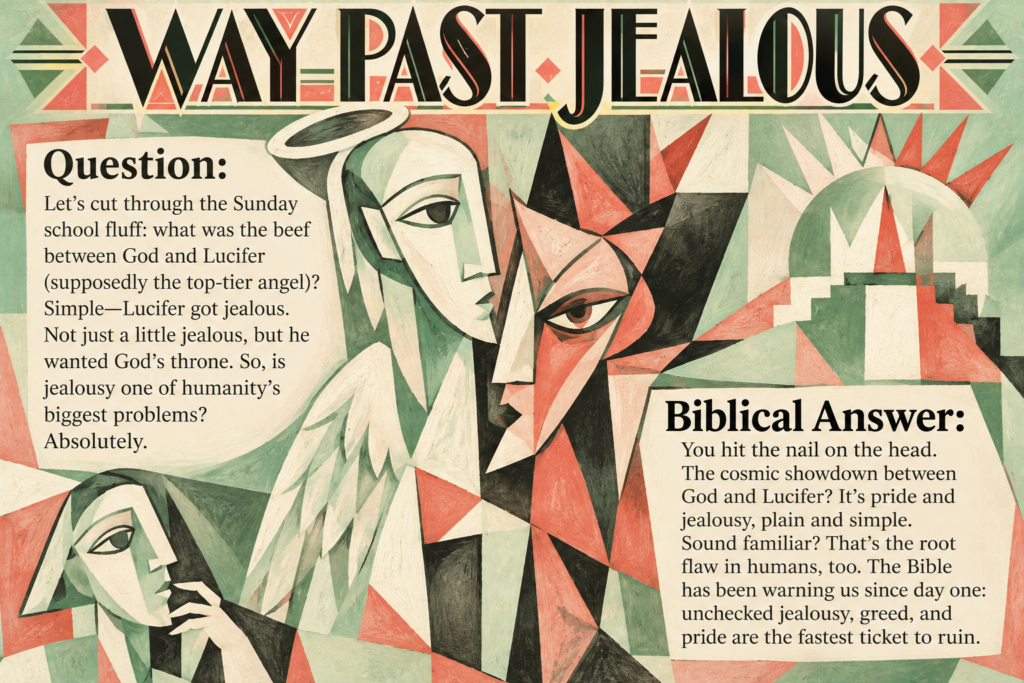
Diversity Matters: 12 Different Apostles—One Mission
First Stop: Apostle Peter
***************************************************
*****************************
****************************
*
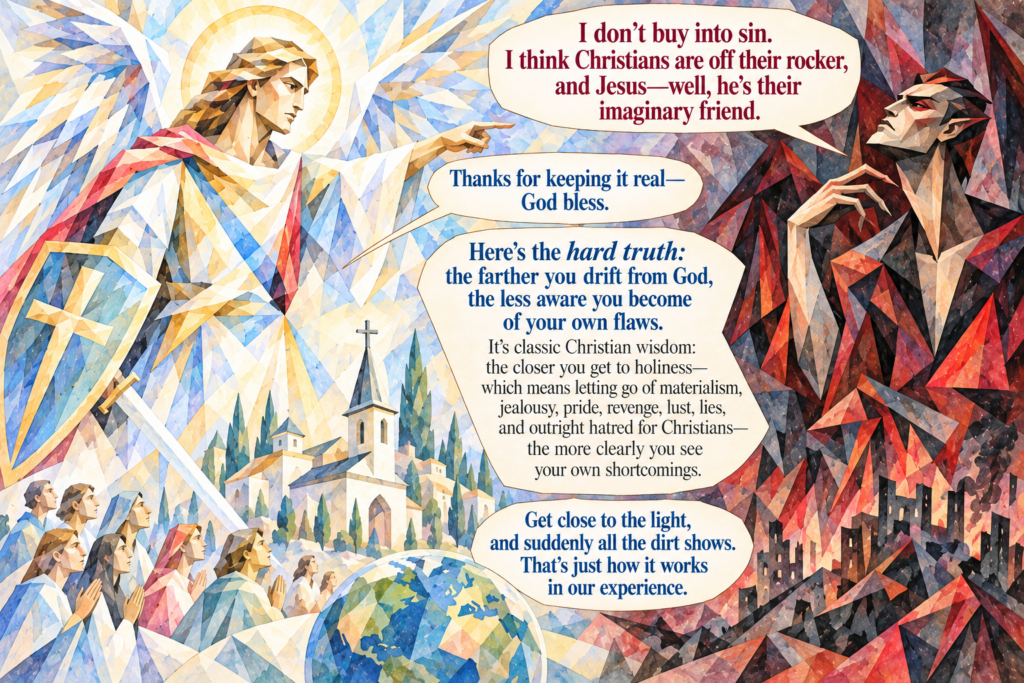
Sin No More? The Evolving Moral Compass of Gen Z and Millennials
Recent data from the Cultural Research Center at Arizona Christian University presents a stark generational divide: while 84% of American adults affirm the existence of sin, significantly fewer Gen Z and millennial respondents accept the premise that everyone sins or that the traditional concept of sin remains relevant. This shift signals a profound rethinking of moral frameworks among younger Americans—one with serious implications for the nation’s cultural and ethical landscape.
GOT THE HOLY GHOST?
**********************************
*******************
*
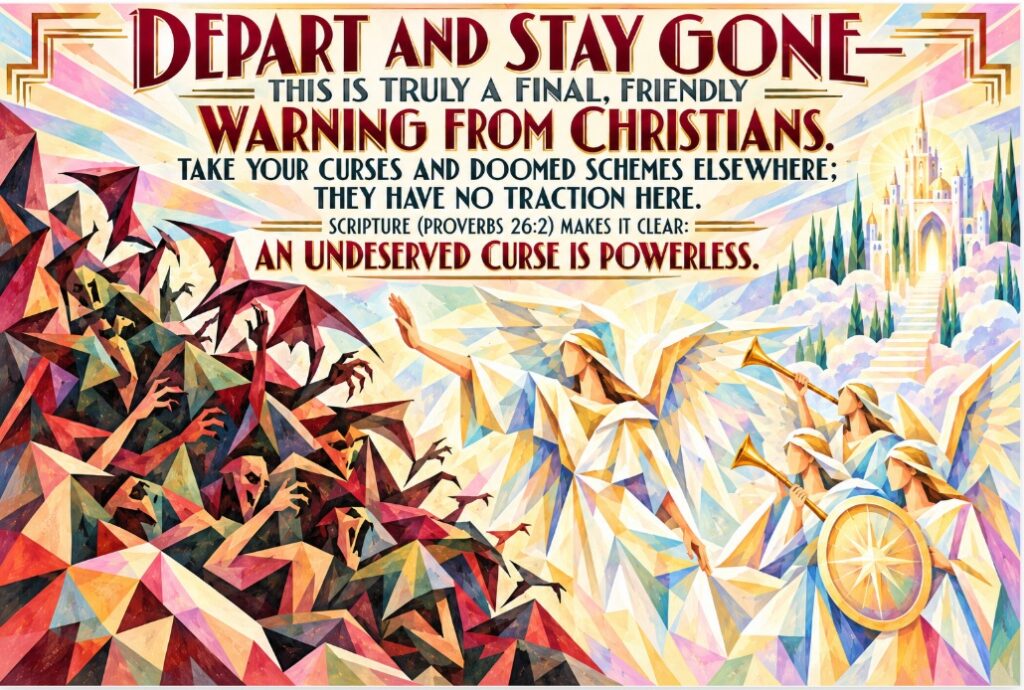
As ‘John, The Baptist’, was saying–
Who do you think you are, (you “brood of vipers”, Matthew 23), saying things like, “You’ll get what’s coming to you” or “Karma’s/Buddha’s is going to catch up with you”? Here’s a reality check: delivering justice isn’t your job. That’s God’s territory—he’s the only one just enough to give everyone–you especially–what they truly deserve.
***
***************************************
**************************
*****************************************
**********************************
**************************************************
*****************************************

****************************************
******************************
**********************************
******************************
****************************************
***************************
***********************************************
******************************************

**************************************
*****************************************************
************************************************
Click Here: CHRISTIAN MEDITATION DETOX (@meditation-detox.bsky.social) — Bluesky

******************************************************
**************************************************
Individuality is a gift; equality is a right—both are non-negotiable in the eyes of God and the law

Cursed is anyone who withholds justice from the foreigner, the fatherless or the widow. (Deuteronomy 27:19)
43 “You have heard that it was said, ‘Love your neighbor and hate your enemy.’ 44 But I tell you, love your enemies and pray for those who persecute you, 45 that you may be children of your Father in heaven. He causes his sun to rise on the evil and the good, and sends rain on the righteous and the unrighteous. 46 If you love those who love you, what reward will you get? Are not even the tax collectors doing that? 47 And if you greet only your own people, what are you doing more than others? Do not even pagans do that? 48 Be perfect, therefore, as your heavenly Father is perfect. (Matthew 5)


For women—though the subject sparks discussion—maintaining composure is essential. Inner peace is found by releasing what does not serve us and embracing renewal through prayer, laughter, and a harmonious family environment—free from shouting, conflict, or harsh language. (A chaotic home life—marked by aggression, yelling, and disorder—is often a sign of the absence of spiritual light). Christian meditation provides a truly unique experience. Approach meditation with intention. Smile sincerely, with the quiet strength of someone graced by both earth and the celestial.
Havah House Co. Artwork © All Rights Reserved.
*****************************************************************
DISCLAIMER: True understanding begins with sincere prayer and reading the Bible. Without this foundation, this message will be lost and its meaning misunderstood.
**************************************************************************************
Copyright 2026 ©Havah House Co. Policy Terms: the content of this website is a work of authorship and an intellectual property of Havah House Co. No portion of its content may be performed, reproduced, or used by any means, or disclosed to, quoted, or published in any medium without the consent of the owner.