

***************************
******************************************************
Data Center
*******
********************************************************
***
How many Christians paid the ultimate price today?
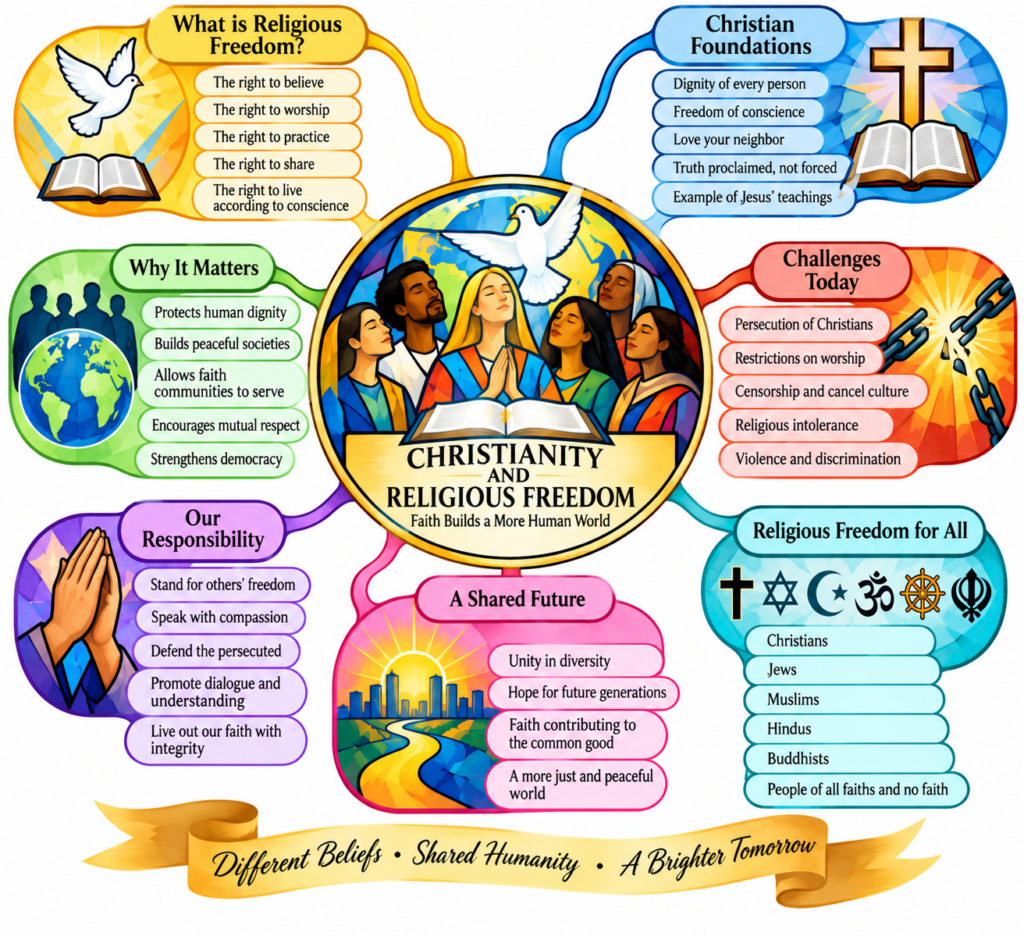
Precise daily figures are elusive, but on average, 13 Christians are killed every day simply for their faith. Groups like Open Doors International report 4,849 believers murdered for being Christian in a single recent year—over 90% in Sub-Saharan Africa, with Nigeria leading the tragic tally. The numbers speak for themselves.
*********************************************
************
Mainstream Iranian authorities and certain ideological groups (including agnostics & communists) describe information with which they disagree as propaganda, psychological warfare, or bourgeois manipulation


Christians and human rights advocates are heartbroken and outraged by the rising death sentences in Iran, especially after hearing that Najmeh Amini, a 23-year-old, faces execution for a social media post labeled as ‘blasphemy’. As followers of Jesus, we believe every human life is precious and made in God’s image—no one deserves to die for their beliefs or for expressing themselves online. Let’s stand up, speak out, and pray for justice and compassion to break through this darkness.
***********************************************************
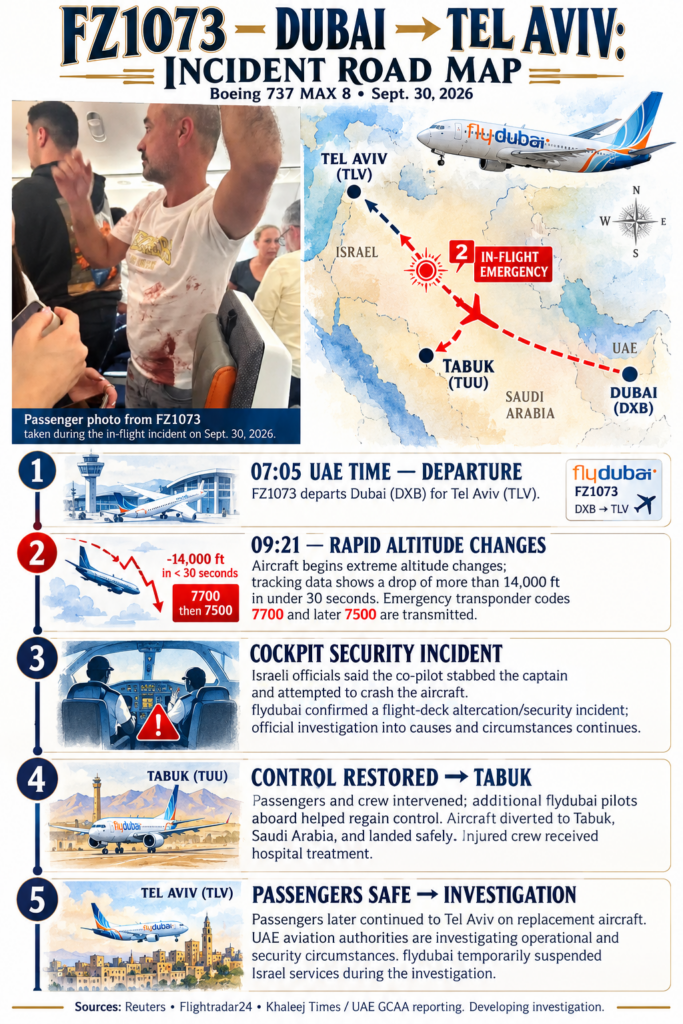
Flydubai FZ1073: Praying for Peace—Confronting Islamic Extremist Attacks with Christ-centered courage
(September 30, 2026): Israeli Prime Minister Benjamin Netanyahu and UAE investigators report that the Flydubai co-pilot had undergone radical Islamist indoctrination and carried out an attempted terrorist attack influenced by extremist ideology—he tried to turn a flight into a tragedy. As followers of Christ, we are called to reject all forms of violence and stand with the victims, praying for peace and accountability in a broken world. (Via AP)
*************************************************
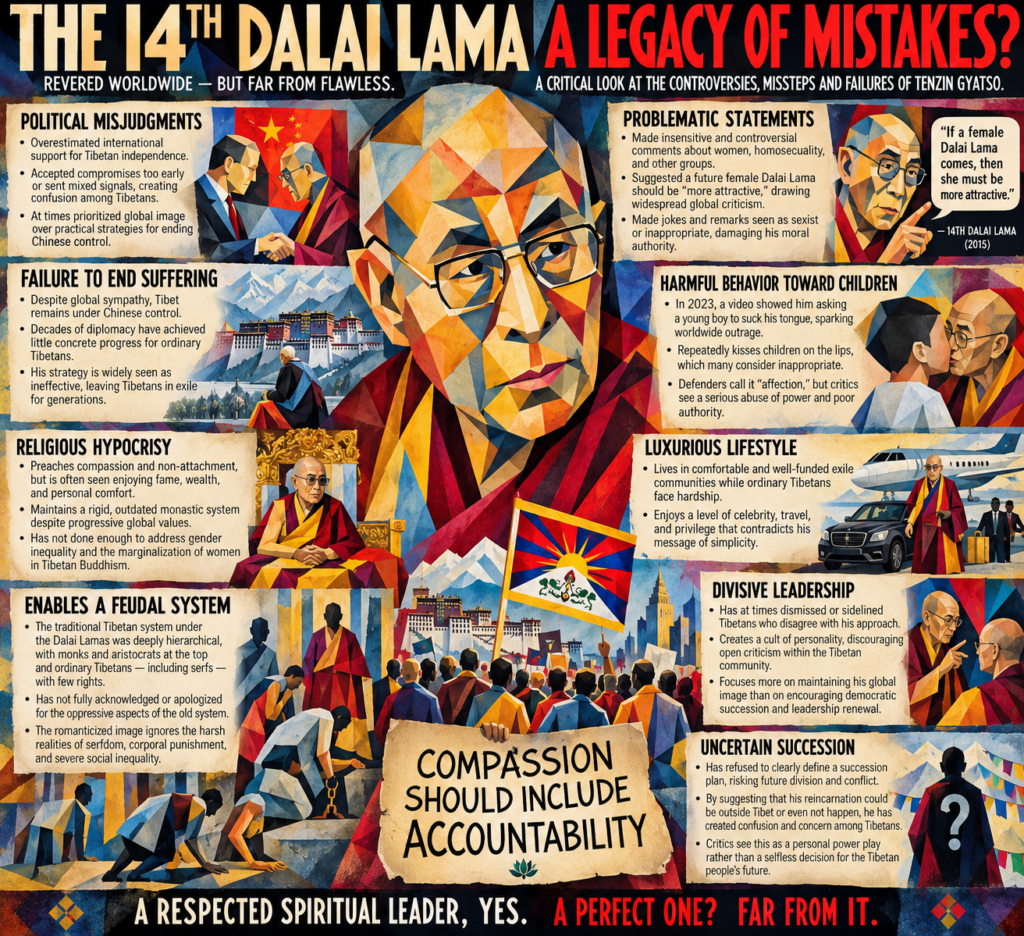
The 14th Dalai Lama is the current Dalai Lama, the “highest spiritual leader” and head of Tibetan Buddhism
Let us earnestly intercede for all members of the clergy, that their spiritual journey and sacred ministry may be strengthened and upheld. While the majority of priests, pastors, and reverends are faithfully serving and contributing to the healing—both physical and emotional—of their communities, it is canonically and morally imperative to denounce any instance of abuse or intentional wrongdoing (dolo). (Via AP)
This standard applies universally and, for fairness, also extends to figures such as the “Dalai Lama”
Dalai Lama to little boy: “Suck my tongue.” (Video Link)
***********************************************
A Missed Chance For Moral Leadership: Trump’s Silence on China’s Persecuted Church | Summit 2026
******************************************************
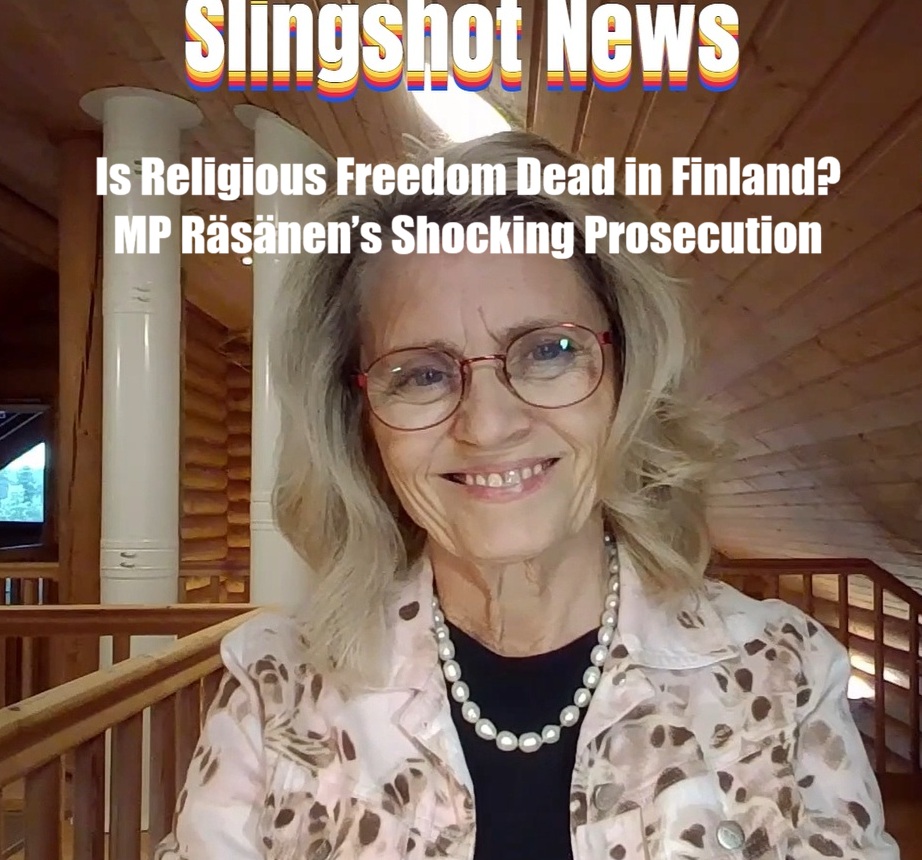
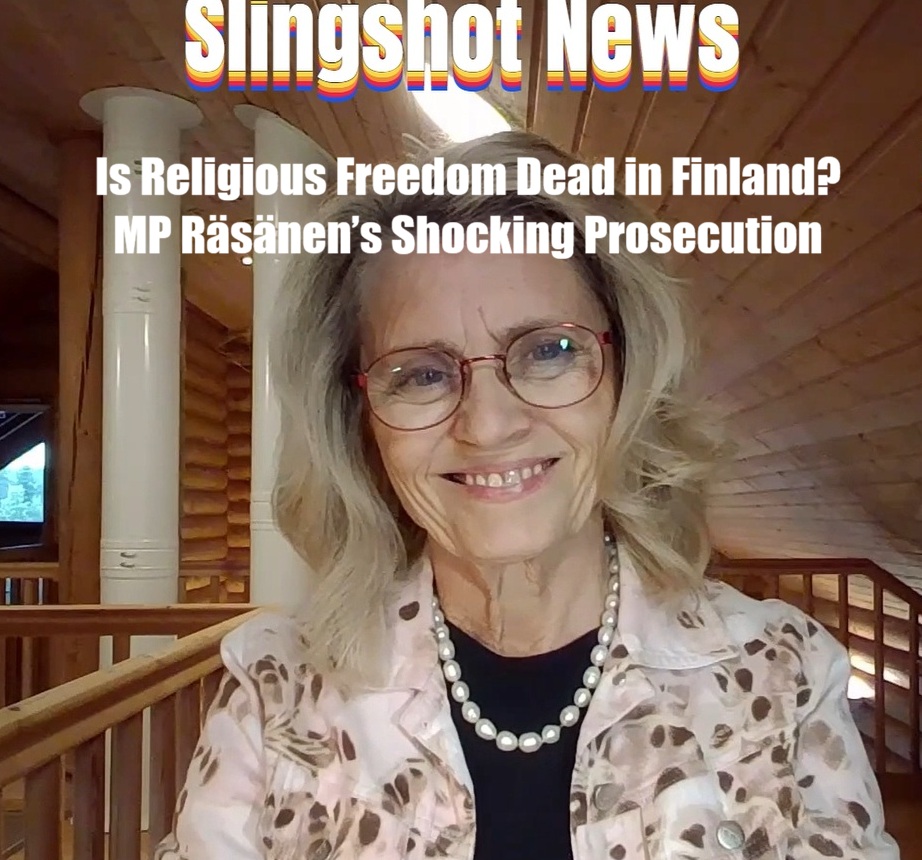
Is Religious Freedom Dead in Finland?
Click Here: PROTESTANT CORNER (@meditation–detox.bsky.social) — Bluesky
***********************************************
Standing up for justice:
California Pastor protects Iranian Christian from persecution

Downtown Los Angeles, Immigration Federal Building: We interviewed Pastor Martin, who graciously shared his time with us outside the Immigration Building after testifying in court on behalf of an Iranian individual who has embraced Christianity. Through his courageous advocacy, Pastor Martin played a pivotal role in safeguarding this man’s right to religious freedom and protecting him from the threat of forced return to Iran, where his life might be in danger. It was a true privilege to meet you, Pastor Martin. We extend our heartfelt prayers and best wishes to both you and the Iranian Christian gentleman. May God’s grace continue to shine upon you all. God bless America—the land of the free and the home of the brave.
****************************************
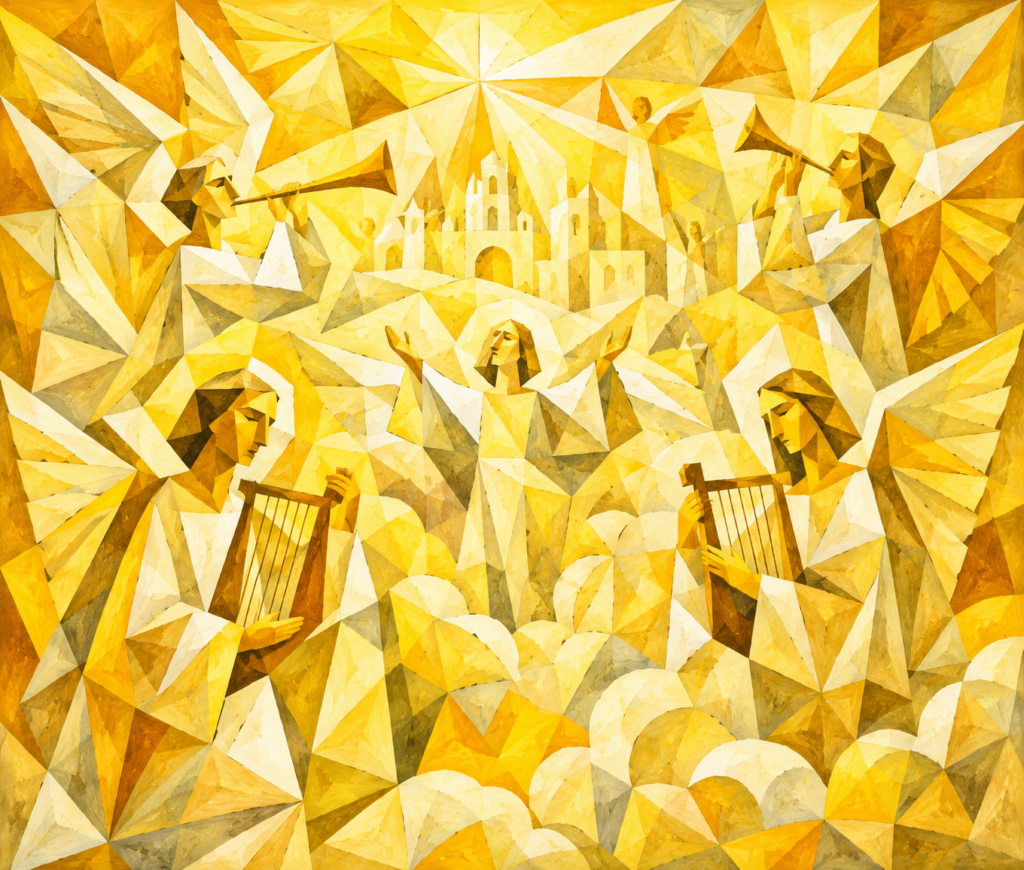
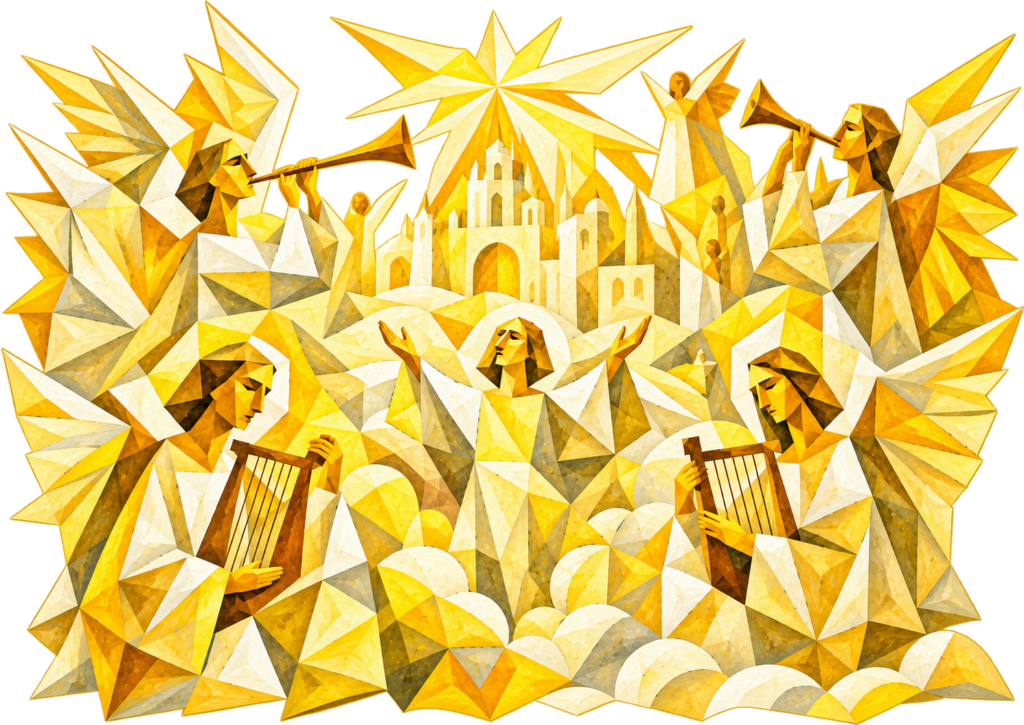
Hands Off Christians: A Heads-Up from the Divine
Honoring one’s religion and maintaining peace means respectfully standing your ground as Christians. Backstory: This message echoes the story of Gamaliel from Acts 5:38-39—he advised the leaders to let the apostles be, reasoning that if their movement was only hype, it would fade away; but if it was truly from God, nothing could stop it. Why It Matters: Peace: Allowing people to be themselves helps prevent unnecessary persecution and toxicity. Freedom: Let Christians freely find their spiritual path, with no gatekeeping.
******************************************
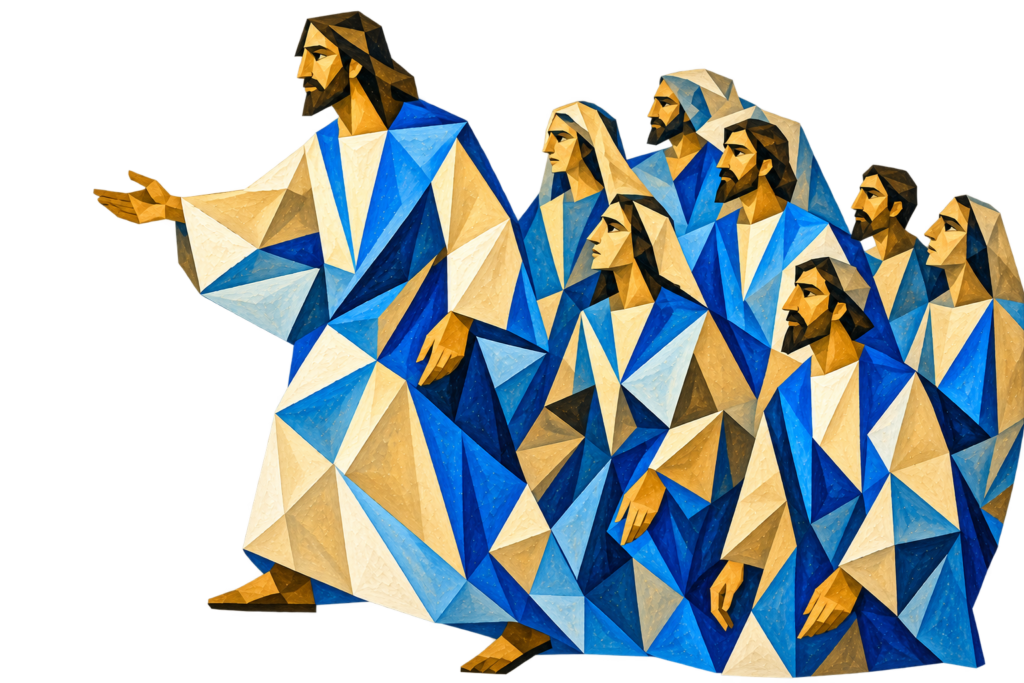
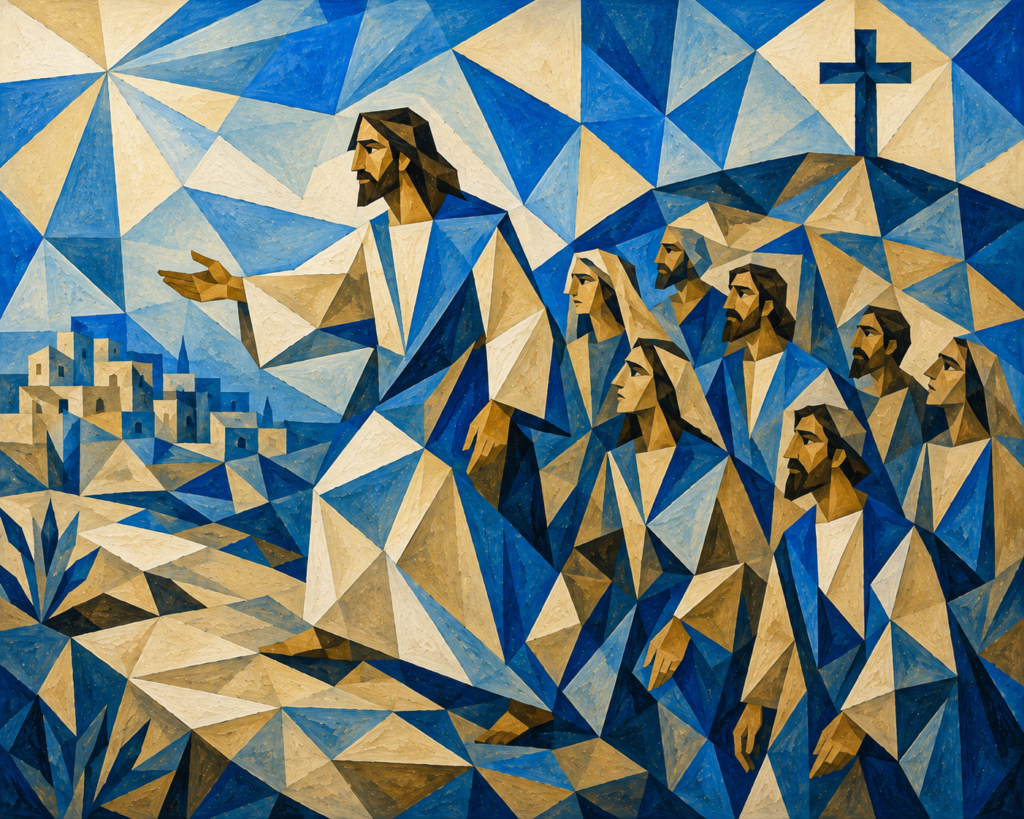
Human behavior: Three key patterns Christians should never ignore
*****************************************************
The Oxford Research Encyclopedia (ORE) of Psychology
- The Non-Confrontational: Individuals who are friendly, accommodating, and approachable. When challenged, they defend their position respectfully, stand firmly by their principles, and quickly let go of any animosity.
- The Confrontational (But Nonviolent): These individuals are direct and frank—what you see is what you get. They address issues head-on without creating unnecessary drama. They are straightforward and move on quickly.
- The Truly Malicious (Perverse)—Judas, Goliath, or ‘Lucifer’ archetypes—are only superficially remorseful and do not understand the meaning of repentance, persistently maintaining they have done nothing wrong. Clinical pathology describes this type as incapable of experiencing guilt and, for most of us, as real vultures. They dodge accountability by convincing themselves—and others—that their opponents are the source of chaos. These are the people who will not let go; they will stalk and seek revenge until they are finally stopped, usually by law enforcement.
***************************************
Christians face rising dangers in Sub-Saharan Africa
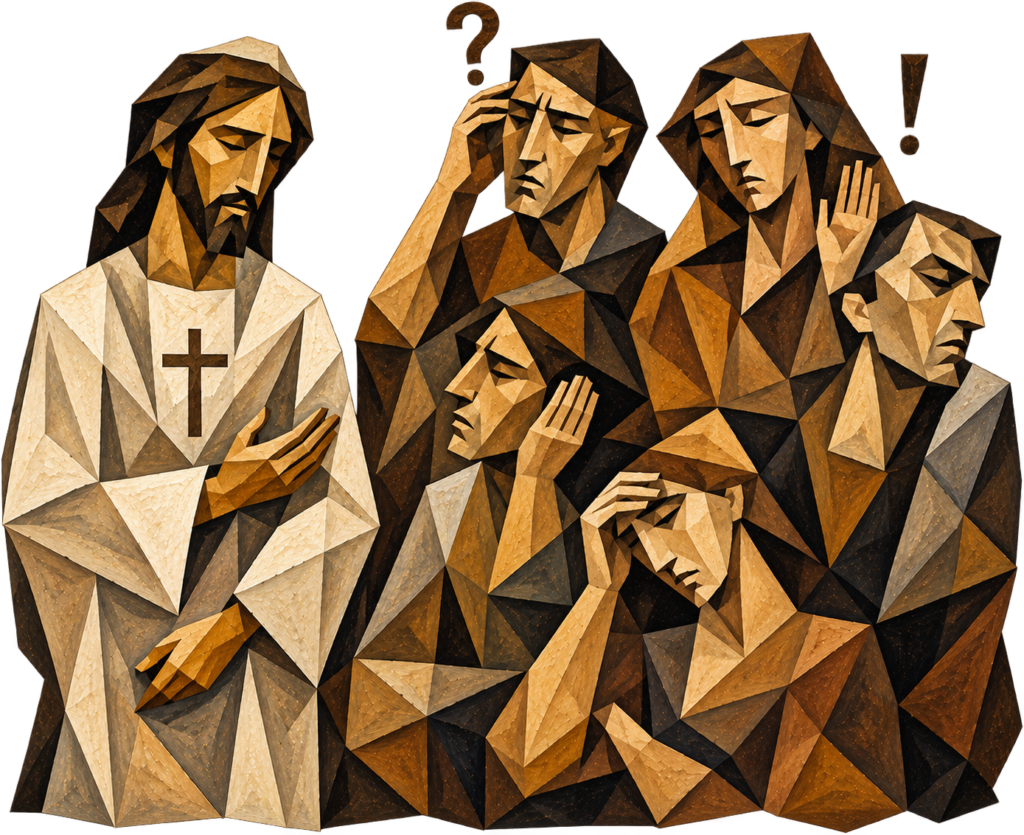
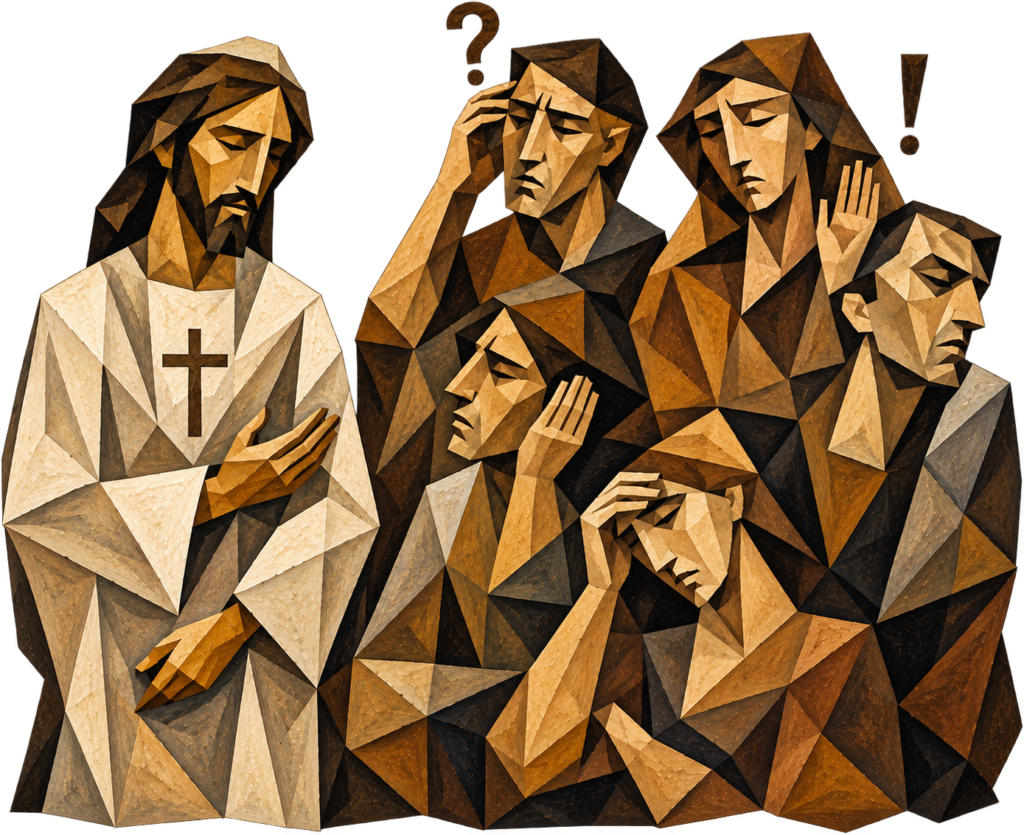
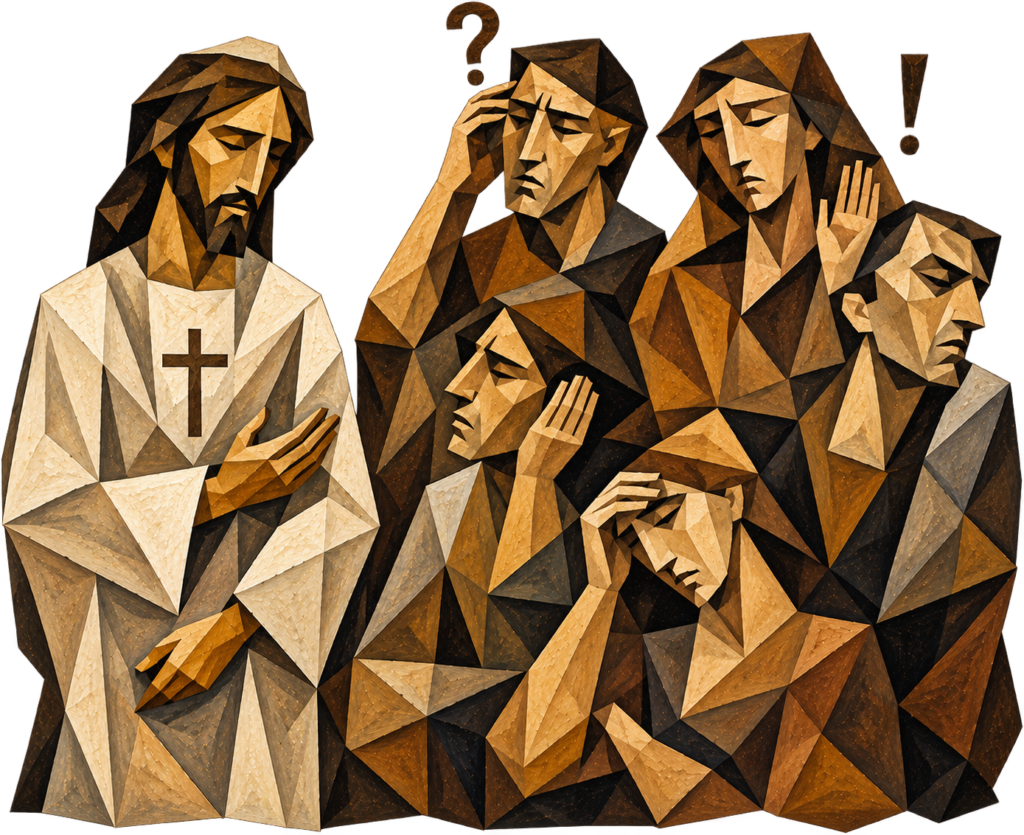
In some parts of sub-Saharan Africa, being Christian is seriously risky—people are actually getting attacked and singled out by intense extremist groups. But it’s not only about religion; there’s a bigger issue: regional political and economic instability. Nigeria, in particular, is chaotic, with various insurgent groups and frustrated herders stirring up trouble. Headlines are packed with news about churches being burned down and so many Christians losing their lives, which has the world paying attention and diplomats growing really concerned. Major organizations like Open Doors say these militant groups are specifically targeting Christians: forcing people to switch faiths, destroying whole villages, and killing them. With weak law enforcement and local governments, these armed gangs basically roam free, leaving everyone vulnerable.
*************************************
Do Muslims want to marginalize Christians?
The vast majority want peace, not division
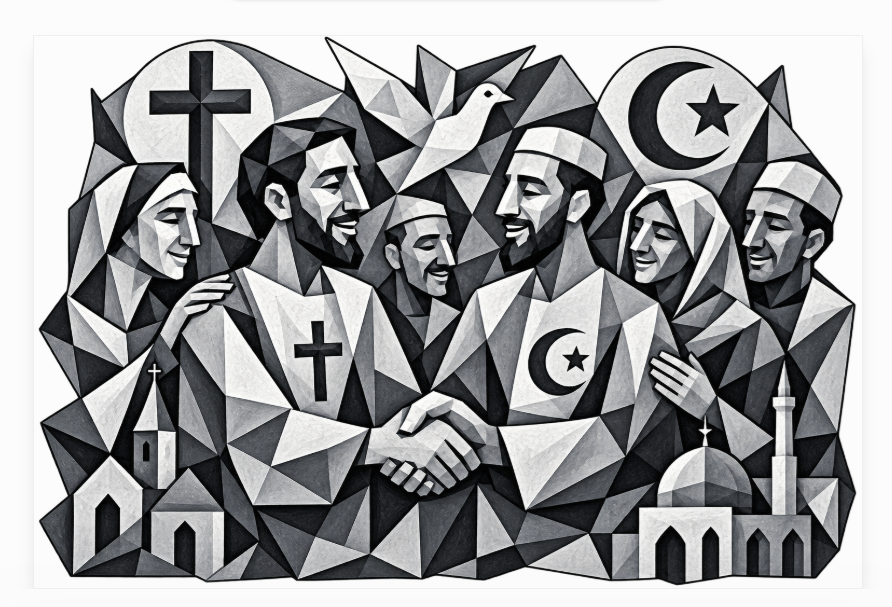
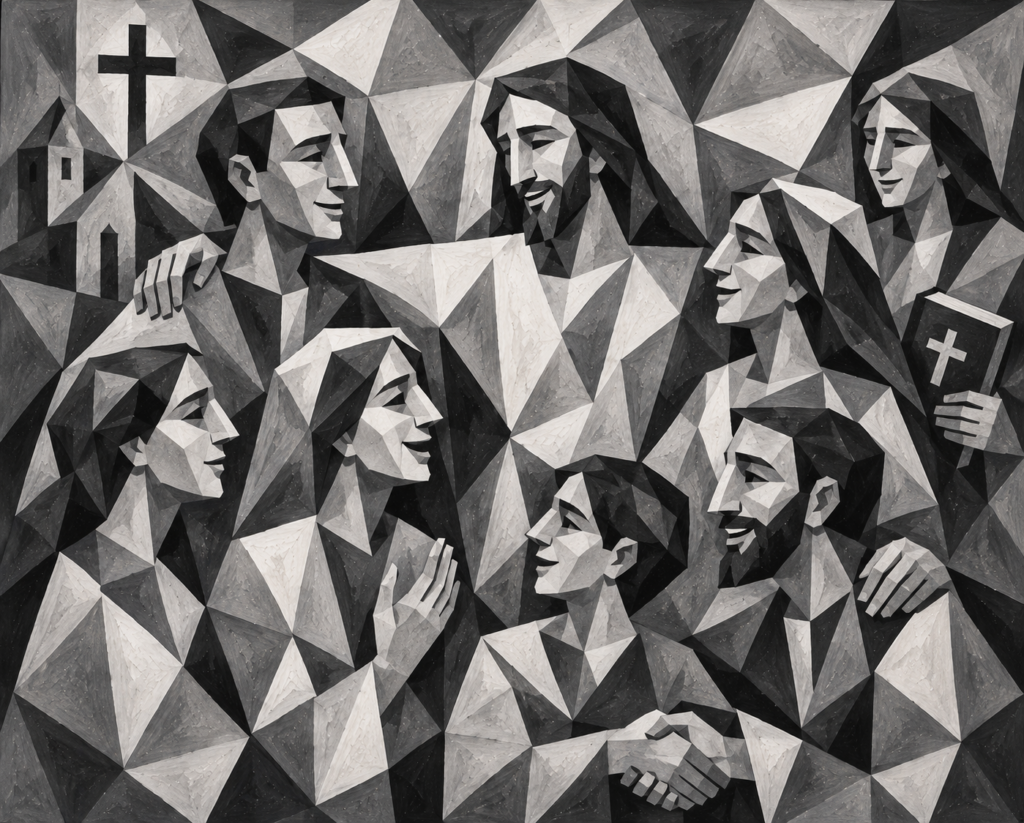
Most Muslims—nearly two billion worldwide—are just living their lives, connecting with their Christian neighbors, and showing mutual respect as “People of the Book.” That’s a real Quran shoutout to Jews and Christians. But real talk: some extremist outliers (think ISIS, Boko Haram, Al-Shabab) are committed to violence, terror, and forcing their twisted views on everyone else. These groups target Christians, but they’re also a nightmare for moderate Muslims who push back against their hate. Bottom line? These extremists are a tiny minority, and mainstream Muslims aren’t here for it. The vast majority want peace, not division.
****************************************
How do Jewish communities view Christians?
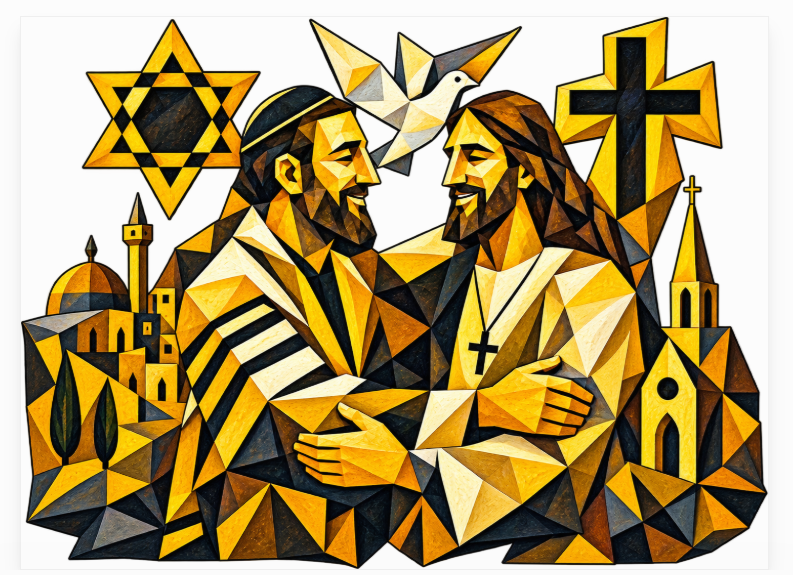
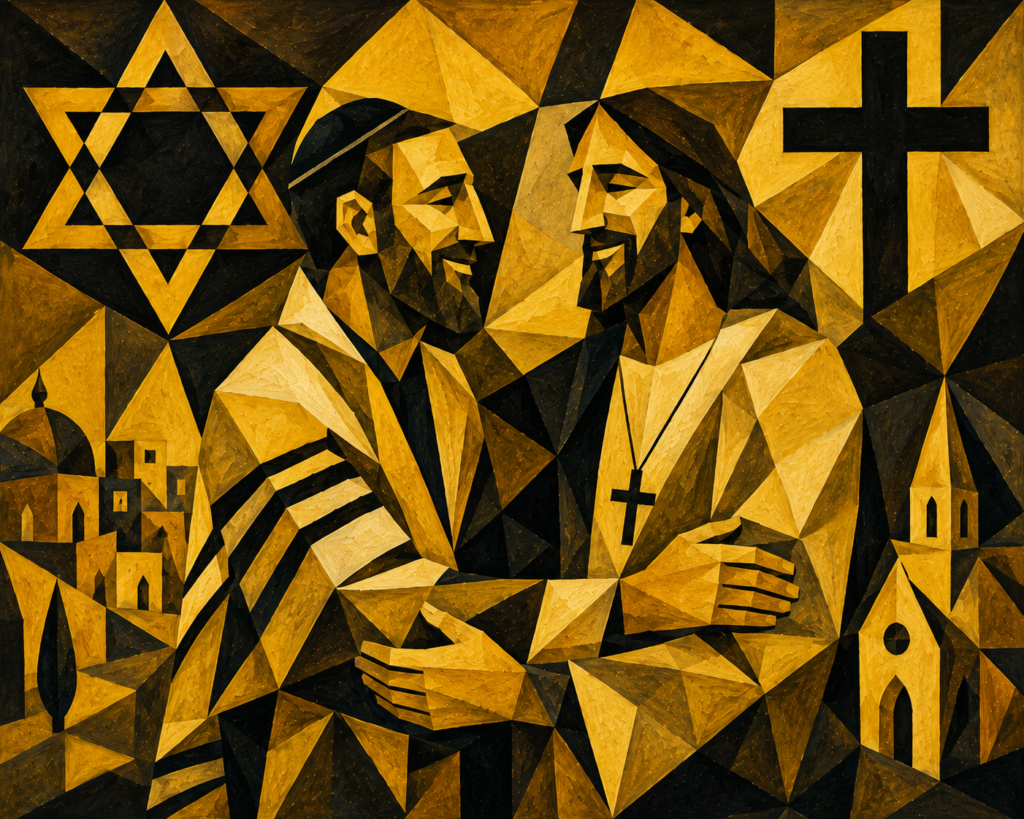
Perspectives are as diverse as Spotify playlists—some vibe with us, others keep a cautious distance, shaped by centuries of complicated history and moments of real hurt. But in places like the U.S., Christians and Jews often link arms, showing up together for justice, charity, and the common good. We’re called to build bridges, not walls, and live out Christ’s love in the public (and private) square.
****************************************
Iran’s Christian population:
A snapshot of religion, ethnicity, and urban life
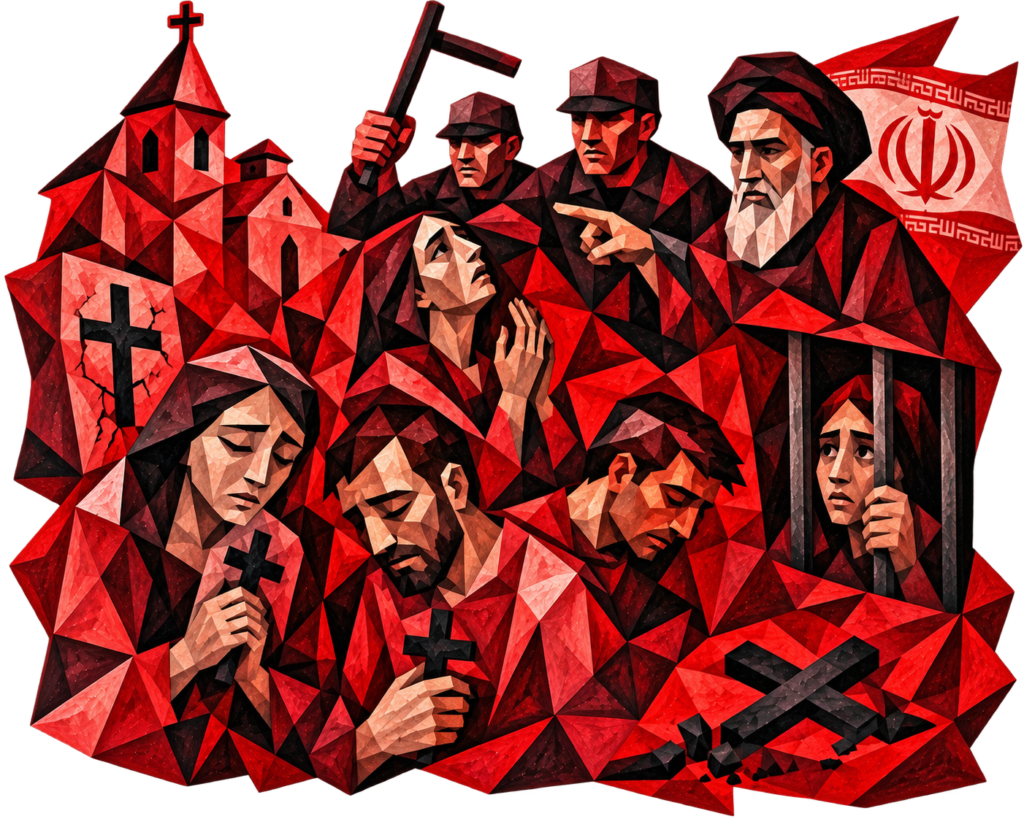
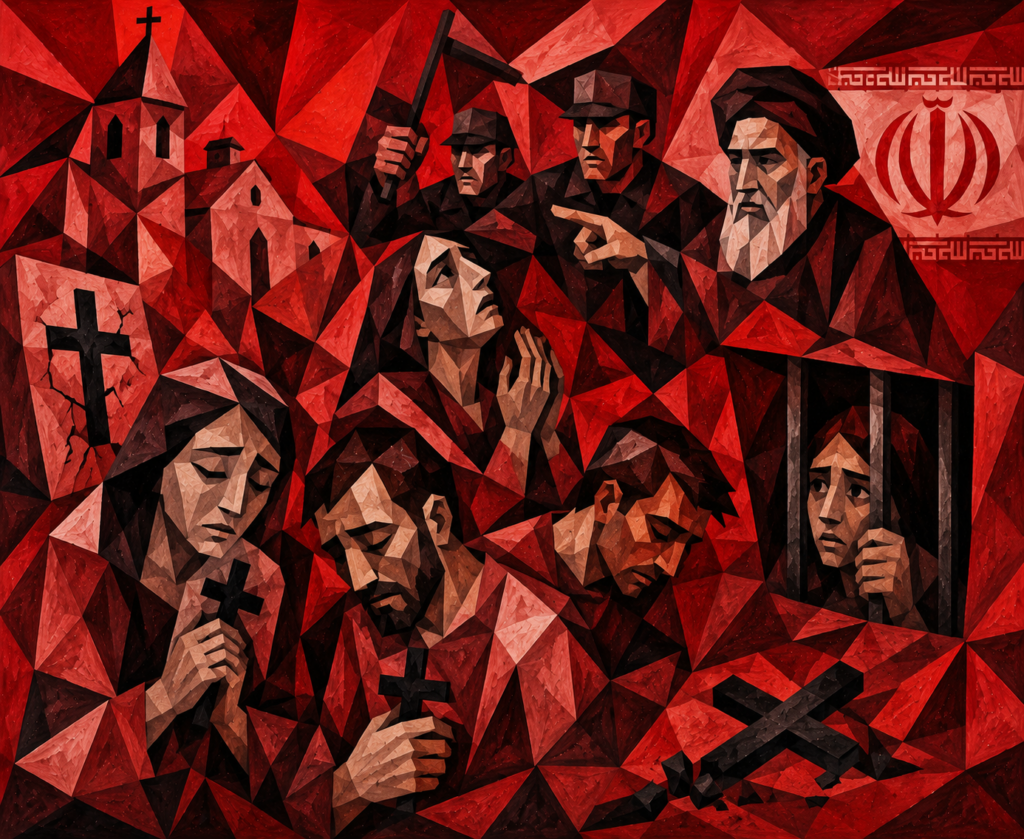
Iran’s Christian population is estimated anywhere from 110,000 officially recognized church members to over 1 million, if you count those who keep their faith under wraps. Out of Iran’s 93.1 million people, Muslims make up a whopping 99%. Most Iranians are city dwellers, clustered mainly in the west and north, with Tehran as the Country’s buzzing urban heart. Ethnically, Persians are the main crew—over half the population—while other Iranian groups like Kurds, Lurs, Baloch, and Gilakis bring their own languages and customs. Rewind to 550 B.C., and you’ll find Cyrus the Great, the Persian king, launching the Achaemenid Empire after conquering heavy hitters like Media and Babylon. Cyrus didn’t just build an Empire; he put Persia on the map, big time.
Religious freedom in the Middle East:
What does the future hold for the ‘Sunday Christians’ and ‘Shabbat communities’?
The saying “After Saturday comes Sunday” has deep roots in the Middle East, capturing the reality that Jews and Christians often face back-to-back pressure from extremists. Analysts put it bluntly: “First the Saturday people, then the Sunday people” — a stark warning for anyone concerned about religious freedom.
*******************************************************
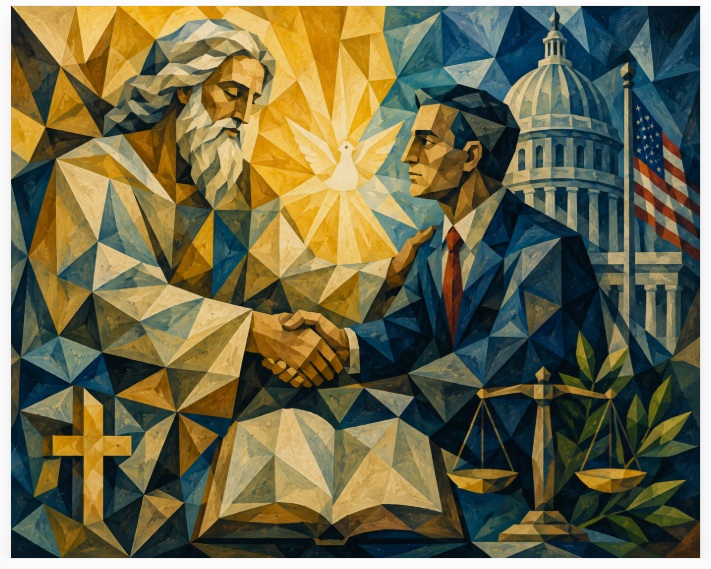
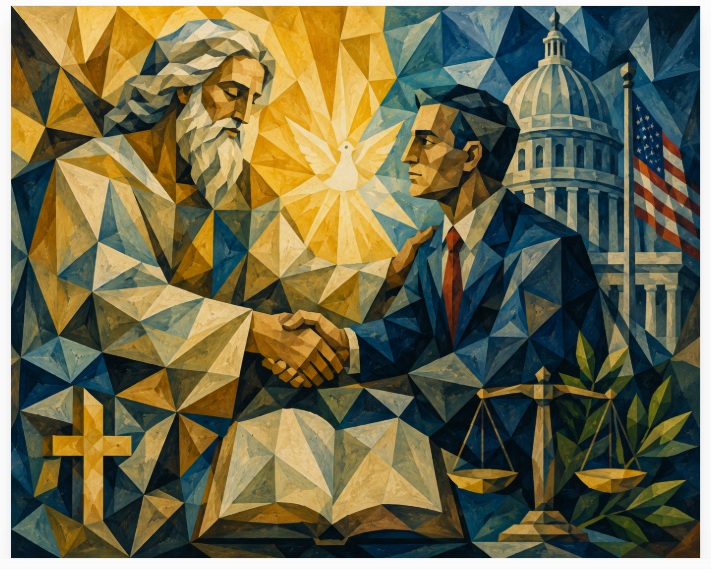
God and Government–“Separate but equal?”
ROMANS 13
While this may be a contentious matter, the Bible—often regarded as our foundational text—explicitly states: “Let everyone be subject to the governing authorities, for there is no authority except that which God has established. God has established the authorities that exist.” This passage underscores the importance of respecting authority, as rebellion is viewed in Christian doctrine as aligned with the diabolical—mirroring Lucifer’s defiance in heaven. However, it is imperative for Christians, especially within theological scholarship, to interpret this passage with discernment. History shows that prophets from Moses to Elijah stood courageously against corrupt and unjust rulers. Thus, this subject remains a focal point of rigorous debate in Christian academic and spiritual discourse.
Anyone serious about Christian thought needs to dig deep into important theological questions—this is a major one. In the Bible, leaders like Moses stood up to rulers only when God gave them a clear directive. Traditional Christian thinking holds that authority comes from above, so rebelling against leaders is seen as going against God—unless God prophetically directs otherwise. On the other hand, modern political thinkers and historians view government as a human institution, not a divine one, and believe that speaking out or resisting can be justified without a religious reason. For Christians, this clash is more than a debate—it’s a spiritual battle, a real tension between the sacred and the secular, often described as the eternal struggle between the holy and the unholy (Spiritual Warfare).
From a Christian theological perspective, this may elucidate why secular politicians, judges, and even popular uprisings frequently fail to unseat unjust leaders. Within this framework, only God possesses the ultimate authority to remove or install rulers—whether benevolent or malevolent. Divine providence may allow an unkind leader as a form of collective chastisement, or conversely, may employ an imperfect yet courageous individual to fulfill a higher purpose. The biblical narrative abounds with instances in which God utilizes even non-believers to accomplish divine ends, as illustrated throughout Genesis. Governance, in this view, is inextricably linked with spiritual warfare, rendering the dynamics of power both mysterious and profoundly sobering.
******************************************************************
Throughout the Book of Acts, the Apostle Paul’s preaching and very presence stirred the spiritual atmosphere—shaking economies, unsettling religious traditions, and disrupting entrenched societal norms. His message, an uncompromising proclamation of truth, carried a force that reverberated through every sphere it touched, provoking both deep reflection and intense disquiet—a predictable reaction to the corrupt status quo. (Acts 19:32)
23 “About that time there arose a great disturbance about the Way. 24 A silversmith named Demetrius, who made silver shrines of Artemis, brought in a lot of business for the craftsmen there. 25 He called them together, along with the workers in related trades, and said: “You know, my friends, that we receive a good income from this business. 26 And you see and hear how this fellow Paul has convinced and led astray large numbers of people here in Ephesus and in practically the whole province of Asia. He says that gods made by human hands are no gods at all. 27 There is danger not only that our trade will lose its good name, but also that the temple of the great goddess Artemis will be discredited; and the goddess herself, who is worshiped throughout the province of Asia and the world, will be robbed of her divine majesty.”
28 “When they heard this, they were furious and began shouting: “Great is Artemis of the Ephesians!” 29 Soon the whole city was in an uproar. The people seized Gaius and Aristarchus, Paul’s traveling companions from Macedonia, and all of them rushed into the theater together. 30 Paul wanted to appear before the crowd, but the disciples would not let him. 31 Even some of the officials of the province, friends of Paul, sent him a message begging him not to venture into the theater.”
32 The assembly was in confusion: Some were shouting one thing, some another. Most of the people did not even know why they were there. 33 The Jews in the crowd pushed Alexander to the front, and they shouted instructions to him. He motioned for silence in order to make a defense before the people. 34 But when they realized he was a Jew, they all shouted in unison for about two hours: “Great is Artemis of the Ephesians!” 35 The city clerk quieted the crowd and said: “Fellow Ephesians, doesn’t all the world know that the city of Ephesus is the guardian of the temple of the great Artemis and of her image, which fell from heaven? 36 Therefore, since these facts are undeniable, you ought to calm down and not do anything rash”.
37 You have brought these men here, though they have neither robbed temples nor blasphemed our goddess. 38 If, then, Demetrius and his fellow craftsmen have a grievance against anybody, the courts are open and there are proconsuls. They can press charges. 39 If there is anything further you want to bring up, it must be settled in a legal assembly. 40 As it is, we are in danger of being charged with rioting because of what happened today. In that case we would not be able to account for this commotion, since there is no reason for it.” 41 After he had said this, he dismissed the assembly.”
*********************************************************
To report violations of RELIGIOUS FREEDOM or HATE CRIMES, contact the FBI at 1-800-CALL-FBI (1-800-225-5324) or submit a report online via the FBI Tips Portal. For the Washington Field Office in D.C., call 1-202-324-3000.
**************************************************************
Copyright 2026 ©Havah House Co. Policy Terms: the content of this website is a work of authorship and an intellectual property of Havah House Co. No portion of this content may be performed, reproduced, or used by any means, or disclosed to, quoted, or published in any medium without the consent of the owner.