


**************************************

*********************************



EDITOR: Havah – Christian, married for 31 years, entrepreneur, journalist, and anthropologist.
Copyright 2026 ©Havah House Co. Policy Terms: the content of this website is a work of authorship and an intellectual property of Havah House Co. No portion of its content may be performed, reproduced, or used by any means, or disclosed to, quoted, or published in any medium without the consent of the owner.
*************************************************
***********************

************************************************
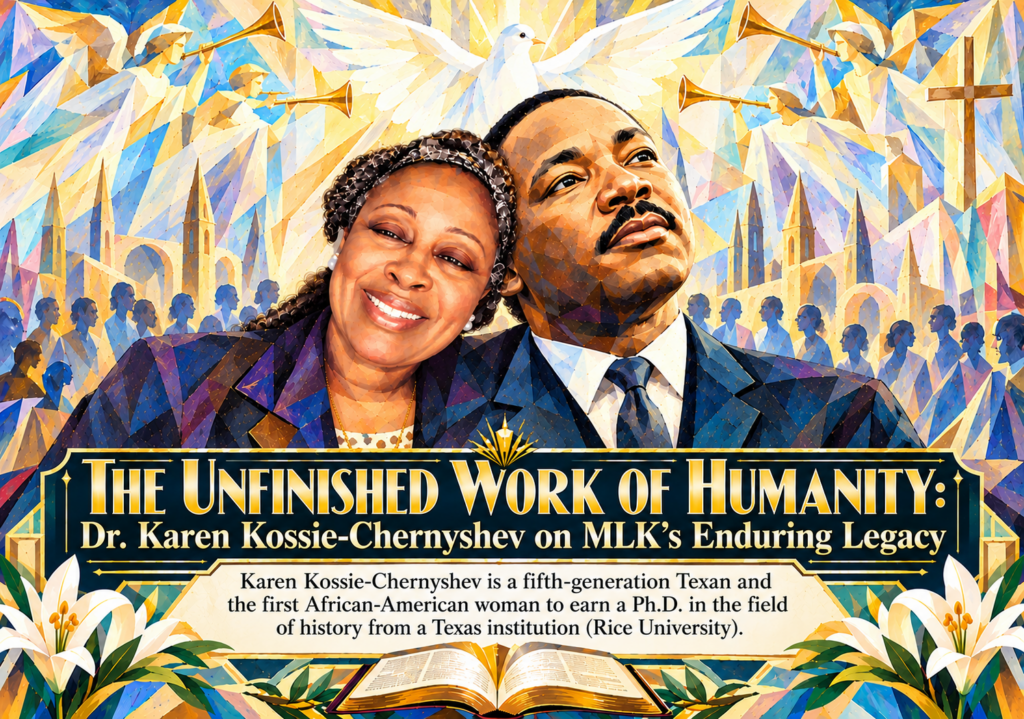
Exclusive Interview

***********************************
Exclusive Interview
Click here to watch the interview (Link)
****************************************
************************************
Pope Leo XIV Apostolic Journey to South America (November 6-17, 2026)

************************************************
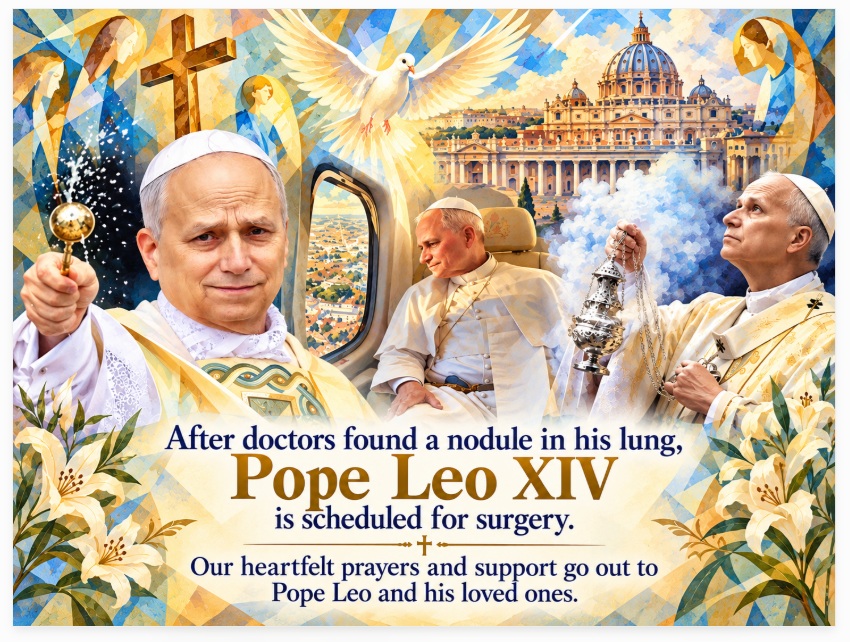
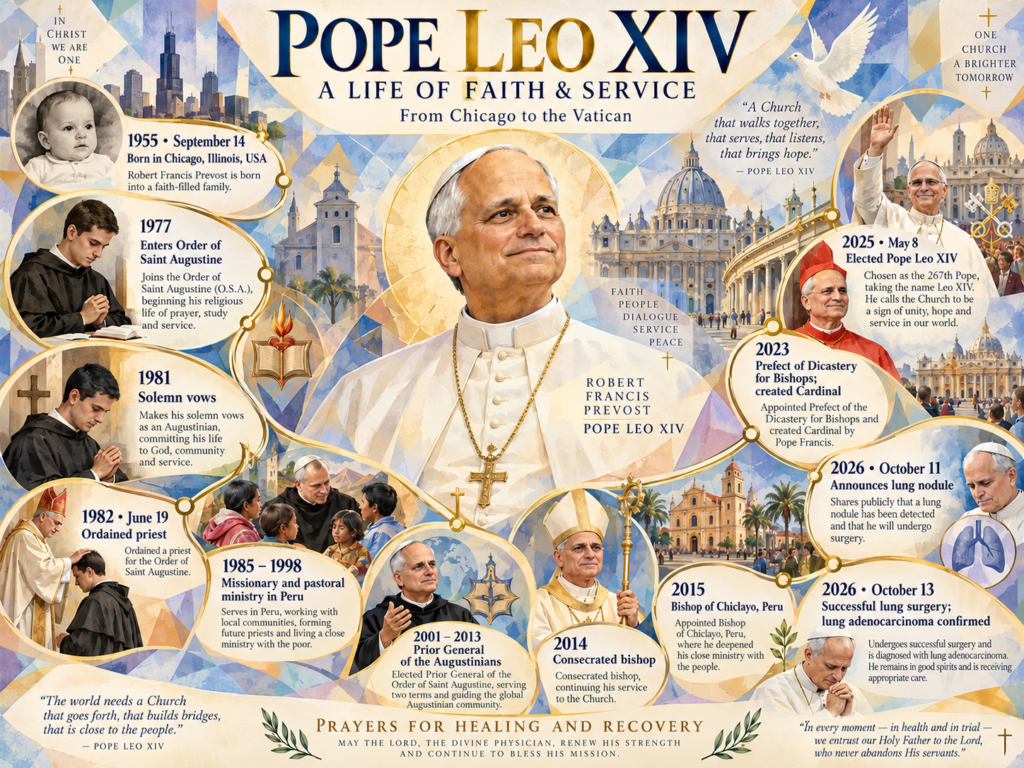
Pope Leo XIV is on track to recover fully from lung cancer surgery within days of his discharge
- Date: October 13, 2026
- Procedure: A video-assisted lobectomy (removal of the lower lobe of the right lung).
- Duration: The operation itself lasted about 90 minutes, with the Pope in the operating room for roughly three hours.
- Diagnosis: Intraoperative histological examination confirmed lung adenocarcinoma (lung cancer), which had been caught at an early stage.
- Surgeons: Led by Professor Stefano Margaritora and Dr. Luigi Carbone.
- Discharge: He left Gemelli Hospital on October 17, 2026, returning to the Vatican.
- Treatment Plan: Doctors announced that final tests show he requires no further treatment, and he is expected to gradually resume his duties and keep his scheduled trip to Latin America in November. (Vatican News)
**************************************


************************************

************************************
*************************
Scientology: ‘Celebrity Faith’ or ‘Spiritual Control’?
Celebrity endorsements may sell movie tickets; they cannot certify truth—and Scripture tells Christians to “prove all things,” not applaud the famous (1 Thessalonians 5:21, KJV). Actress and former Scientologist Leah Remini said leaving meant losing friends “that can no longer talk to us,” while former member and filmmaker Paul Haggis alleged that his wife had been ordered to cut contact with her parents—accounts that deserve scrutiny, not a Hollywood halo. For Christians, the test is neither star power nor slick branding, but spiritual fruit: “By their fruits ye shall know them” (Matthew 7:20), “where the Spirit of the Lord is, there is liberty” (2 Corinthians 3:17), and leaders must not act as “lords over God’s heritage” (1 Peter 5:3).(Via AP)

****************************************
***********************
Blessed Fulton Sheen Beatification Shakes the Christian World
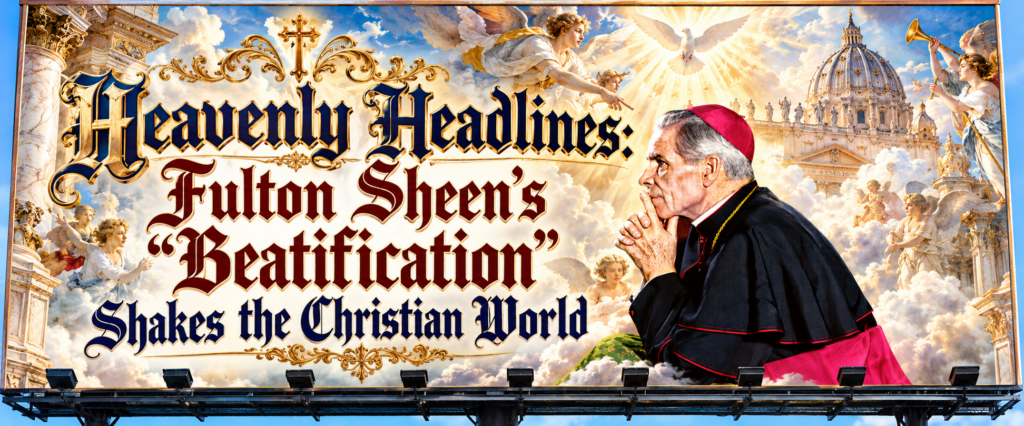
In a world addicted to going viral, holiness offers a startling alternative: go serve—“He must increase, but I must decrease” (John 3:30). The excitement surrounding Fulton Sheen’s beatification should turn our attention beyond the headlines to the harder assignment: “Do justice, and to love kindness, and to walk humbly with your God” (Micah 6:8). Heaven does not count followers; Christ calls us to bear fruit, love our enemies, and care for “the least of these” (John 15:8; Matthew 5:44; Matthew 25:40). For instance, a lot of old-school philosophers’ side-eyed art or saw it as just a chill remix of deeper truths, even though aesthetics is still a big deal in philosophy. But Blessed Fulton Sheen flipped the script—he looked to artists like Dostoevsky, Robert Hugh Benson, and Vladimir Solovyov to break down spiritual warfare, believing artists vibe with spiritual truths way before philosophers catch on. (Via Vatican News)
**********************************************
************************
Would Jesus Ever Lead The KKK? Following Jesus Isn’t About Hate/Segregation–It’s About Love/Connection. Period.

*************************************
Would Jesus ever lead the KKK? No. A burning cross does not become Christian just because it borrows the shape: Jesus commanded, “Love your enemies” (Matthew 5:44), not find someone to terrorize. Scripture declares that every person bears God’s image (Genesis 1:27), condemns favoritism (James 2:1–9), and warns that anyone who claims to love God while hating a brother or sister “is a liar” (1 John 4:20). The Savior who made a Samaritan the moral hero (Luke 10:25–37) and broke down “the dividing wall of hostility” (Ephesians 2:14) would not lead a white-supremacist rally; he would call its marchers to repent—because “love does no harm to a neighbor” (Romans 13:10), and a hood is no substitute for holiness.

**************************************
What Does It Mean ‘to Accept’ Yeshua/Jesus?
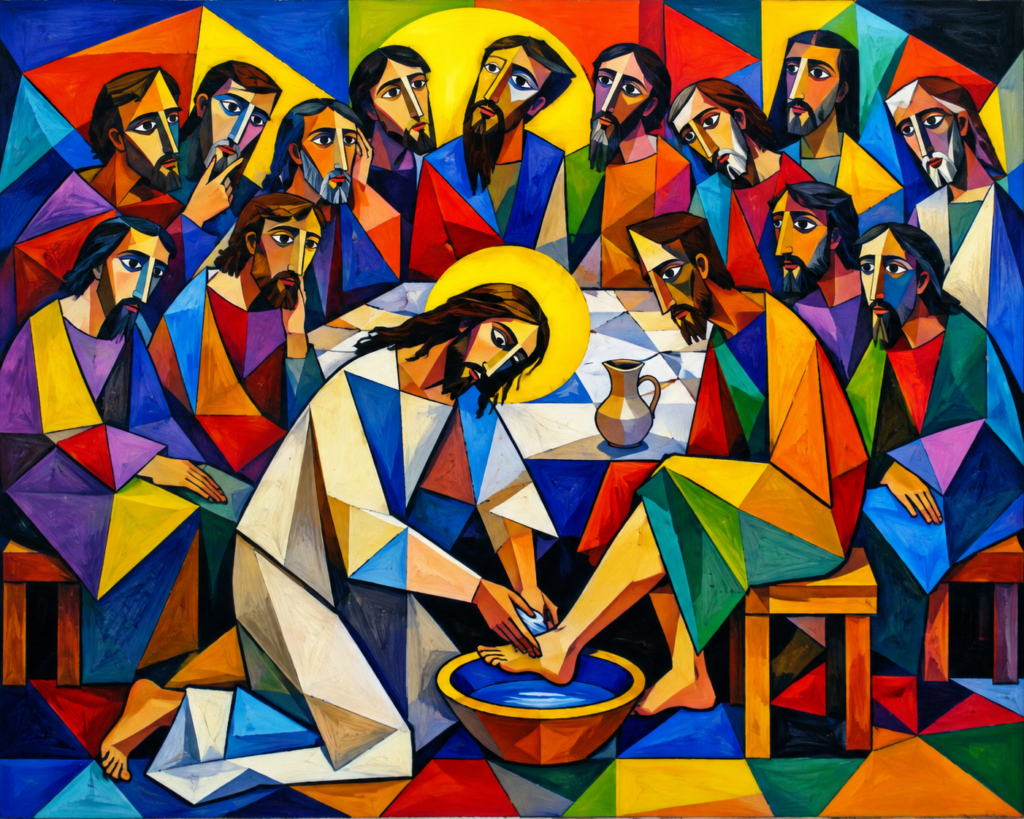
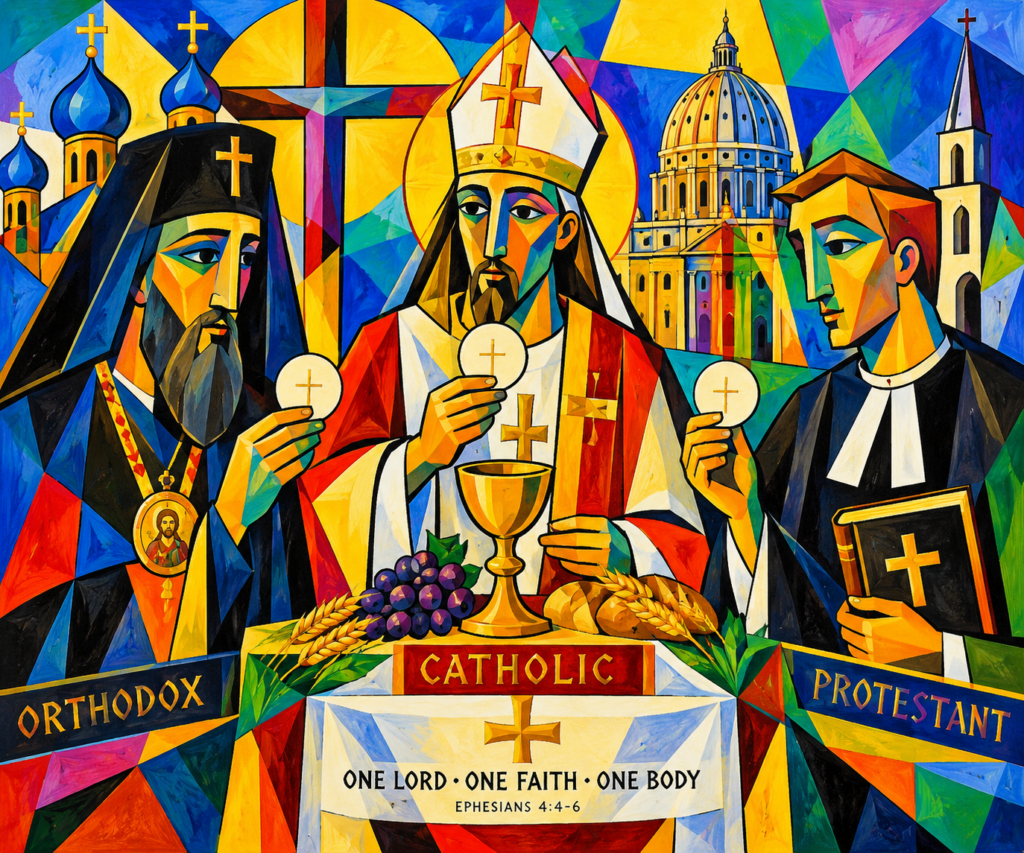
To accept Yeshua—Jesus—is not to add a little heaven to your résumé; it is to acknowledge a Savior you cannot replace and a Lord you cannot edit. “Repent and believe the gospel” (Mark 1:15) is an invitation to surrender, not a request for a spiritual thumbs-up. We are saved by grace, not by polishing our public image (Ephesians 2:8–10), but that grace calls us to tell the truth, love our enemies, and practice mercy when nobody is filming. Jesus is not a brand to wear; He is the Lord to follow—even when His way interrupts ours.
*******************************************
***************************
Why Are You “Following Jesus”? Know Your Followers
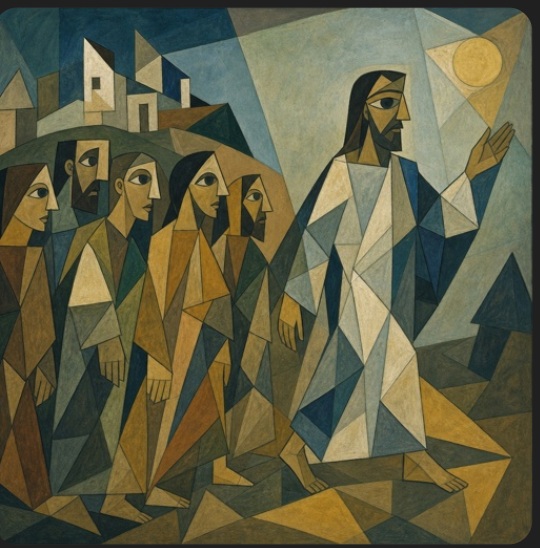
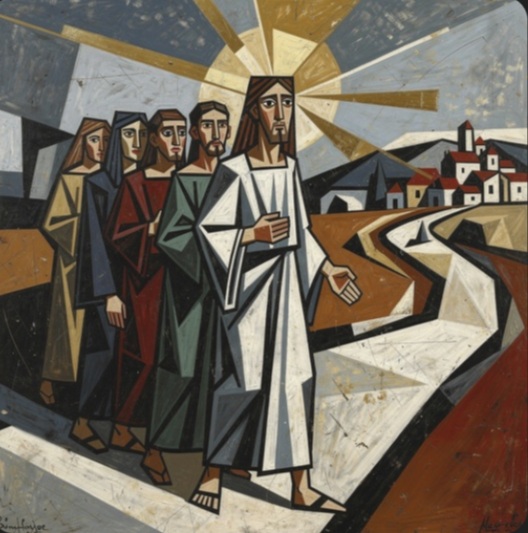
Following Jesus is not merely a matter of proximity; it is a matter of motive. The crowds around Him reveal three searching portraits—not rigid labels for everyone else, but a mirror for each of us:
- The Blessing-Seekers: Some came hungry for bread, healing, and miracles—real needs met by real compassion. Yet Jesus challenged those who wanted the provision without the Provider (John 6:26–27). Faith is more than a wish list with “Amen” at the bottom.
- The Disciples: The apostles followed to learn from Jesus and grow in spiritual understanding, though ambition and confusion sometimes traveled with them. Their defining task was not simply to collect insights, but to deny themselves, take up their cross, and follow Him (Luke 9:23). Jesus called disciples, not a fan club.
- The Adversaries: Some religious leaders, including Pharisees and Sadducees, approached Jesus to test Him; others watched for words they could turn into accusations (Matthew 16:1; Luke 11:53–54). They were gathering ammunition rather than receiving instruction—a warning against using religious conviction as cover for bad faith.
The question is not merely whether we follow Jesus, but why: to receive His gifts, surrender to His teaching, or put Him on trial whenever His words challenge our own?
***************************************
*********************
Was Jesus the Original Public Relations Powerhouse When He Called Judas ‘Friend’?



When Jesus called Judas “friend” (Matthew 26:50), He wasn’t managing His image; He was refusing to let his archenemy dictate His character. No public roasting, no holy clapback—just mercy with a backbone. “Vengeance is mine; I will repay, saith the Lord” (Romans 12:19) is not permission to anticipate someone’s downfall; it is a command to leave judgment with God. True spiritual authority needs neither a press release nor the last word. The Christian victory is not watching an enemy fall—it is refusing to become cruel in the name of being right.
***************************************
********************
We Declare War on Sorcery (Tarot, Voodoo, and “Contacting the Dead”), Freemasonry, the Illuminati, and Every Form of Occult Practice
(No, You Can’t be a Christian and a Freemason/’Illuminati’)


Our war is spiritual—not a license to threaten, demean, or mistreat anyone. Scripture says, “Test the spirits” (1 John 4:1), not outsource your discernment to a tarot deck, a secret society, or an algorithm preaching midnight conspiracies. From divination and attempts to contact the dead to the lure of secret knowledge, we reject whatever asks us to trust spiritual power over God (Deuteronomy 18:10–12). Calling an organization a “philanthropic fraternity” does not place it beyond scrutiny—“Our struggle is not against flesh and blood” (Ephesians 6:12), and bearing false witness is still a sin—even when it gets clicks.
*********************************************
What is a ‘Cult’–The Jim Jones Cult (1978)


A pulpit is not a permission slip to play God. Jim Jones’s Peoples Temple offers a chilling warning: promises of justice and belonging can become instruments of control when a leader demands unquestioning loyalty. Scripture says, “Try the spirits” (1 John 4:1, KJV)—not switch off your judgment because someone switches on a microphone. Jesus taught that leaders are known “by their fruits” (Matthew 7:16, KJV), not their charisma, crowds, or carefully polished image. The Christian response must be clear: test the teaching, hold leaders accountable, and never mistake compassion for victims for an excuse to overlook spiritual abuse.
************************************
Is Polygamy Legal in the U.S.—And Do Mormons Practice It?
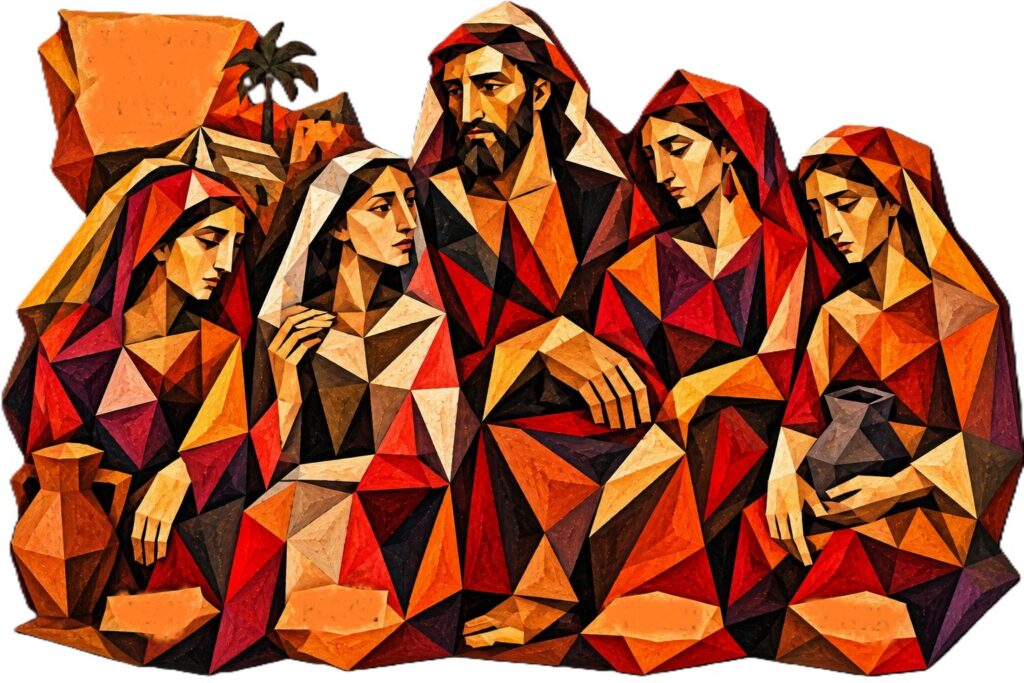
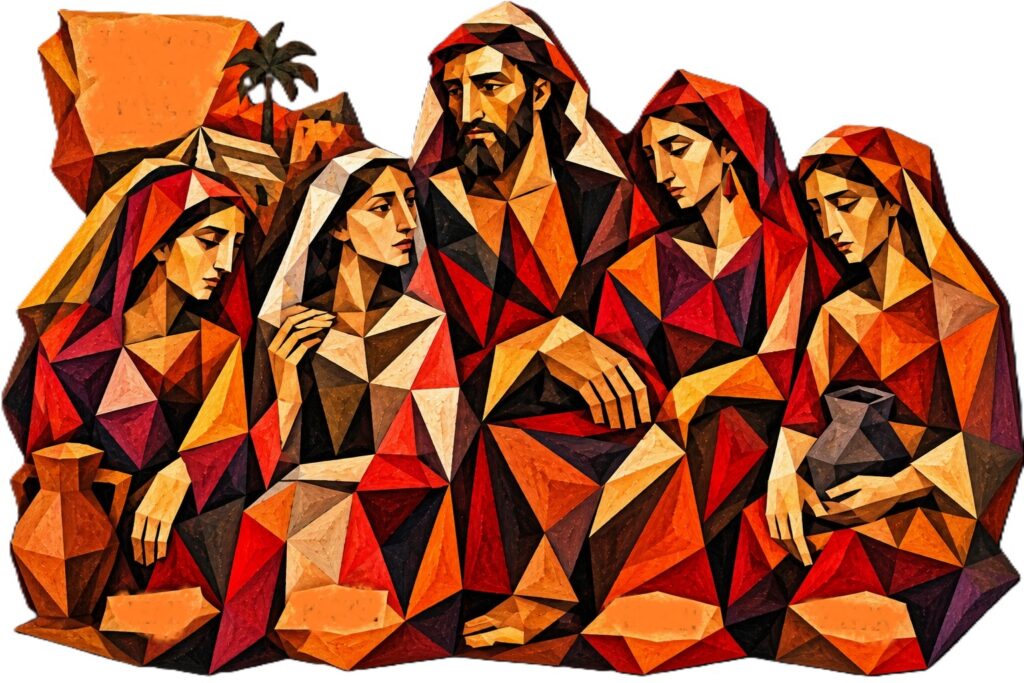
Marriage is a covenant, not a group subscription: no U.S. state legally recognizes marriage to multiple spouses at once, although penalties for bigamy vary. And fairness requires retiring an outdated stereotype: The Church of Jesus Christ of Latter-day Saints strictly prohibits polygamy today; fundamentalist groups that practice it are distinct from that church. For traditional Christians, Jesus’ words—“the two will become one flesh” (Matthew 19:5)—set the standard: two, not two and counting. Defending that conviction calls for both a backbone and a conscience: argue the principle without turning your neighbors into punchlines.
***************************************
What Does the Bible Say About Same-Sex Marriage?



Scripture’s vision of marriage begins with male and female becoming “one flesh,” a pattern Jesus reaffirms—not as a passing fashion, but as a covenant rooted in creation (Genesis 1:27; 2:24; Matthew 19:4–6). From a traditional Christian perspective, that teaching places same-sex marriage outside the biblical understanding of marriage: cultural approval is not a theological argument, and neither is cultural outrage (Romans 1:26–27; 12:2). Yet biblical conviction comes with no permission slip for cruelty: every person bears God’s image, and speaking the truth in love requires both truth and love—not one dressed up as the other (Genesis 1:27; Ephesians 4:15; James 3:9–10). Christians must examine their own faithfulness, reject contempt, and remember that grace is not a trophy for the morally impressive but a gift none of us has earned (Matthew 7:3–5; Luke 18:9–14; Ephesians 2:8–9).
***********************************
‘Cohabitation’ and the Christian Call to Commitment



In a culture fluent in “let’s see where this goes,” Christianity still dares to say, “I will”—because love is more than a shared address; it is a covenant (Genesis 2:24; Matthew 19:4–6). Scripture calls us to honor marriage, pursue sexual holiness, and let our “yes” mean yes—not keep one foot out the door while calling it freedom (Hebrews 13:4; 1 Thessalonians 4:3–5; Matthew 5:37). A joint lease can divide the rent; it cannot make the vows, and convenience is a poor substitute for the patient, faithful, self-giving love Scripture describes (1 Corinthians 13:4–7; Ephesians 5:25). Yet the church must offer more than raised eyebrows: truth spoken in love, burdens shared, and practical help toward faithful commitment—not pressure to marry an unsafe partner merely to tidy up appearances (Ephesians 4:15; Galatians 6:2; Psalm 82:3–4). Christian witness should make both things unmistakable: God’s call is serious, and his grace is not reserved for people with tidy biographies (John 1:14; Romans 3:23–24).
*********************************
God ordains marriage as a lifelong sacred covenant: Yet Scripture recognizes that in our fractured world, separation and divorce sometimes occur
“What God has joined together” is a solemn charge to honor marriage—not a permission slip for cruelty, coercion, or looking the other way when someone is harmed



Marriage is a covenant, not a subscription to cancel when the honeymoon loses its Wi-Fi: God calls husband and wife to become “one flesh,” joined in lifelong faithfulness (Genesis 2:24; Matthew 19:6). Yet Scripture is neither naïve about human sin nor casual about its consequences; Jesus acknowledges sexual immorality, and Paul addresses abandonment, reminding believers that “God has called us to peace” (Matthew 19:9; 1 Corinthians 7:15). “What God has joined together” is a solemn charge to honor marriage—not a permission slip for cruelty, coercion, or looking the other way when someone is harmed (Matthew 19:6; Colossians 3:19; Isaiah 1:17). The church must therefore uphold the covenant without abandoning the wounded, speaking truth without turning verses into weapons (Ephesians 4:15; Psalm 34:18; Galatians 6:2). Grace does not make marriage disposable; it makes people more than the wreckage of a broken one (Romans 8:1; 2 Corinthians 5:17).
********************************
‘Occult Practices’ Aren’t Just Another ‘New Age Trend’–‘Satanists’ Aren’t Doing Anyone Favors–And ‘Baphomet’ is No Role Model
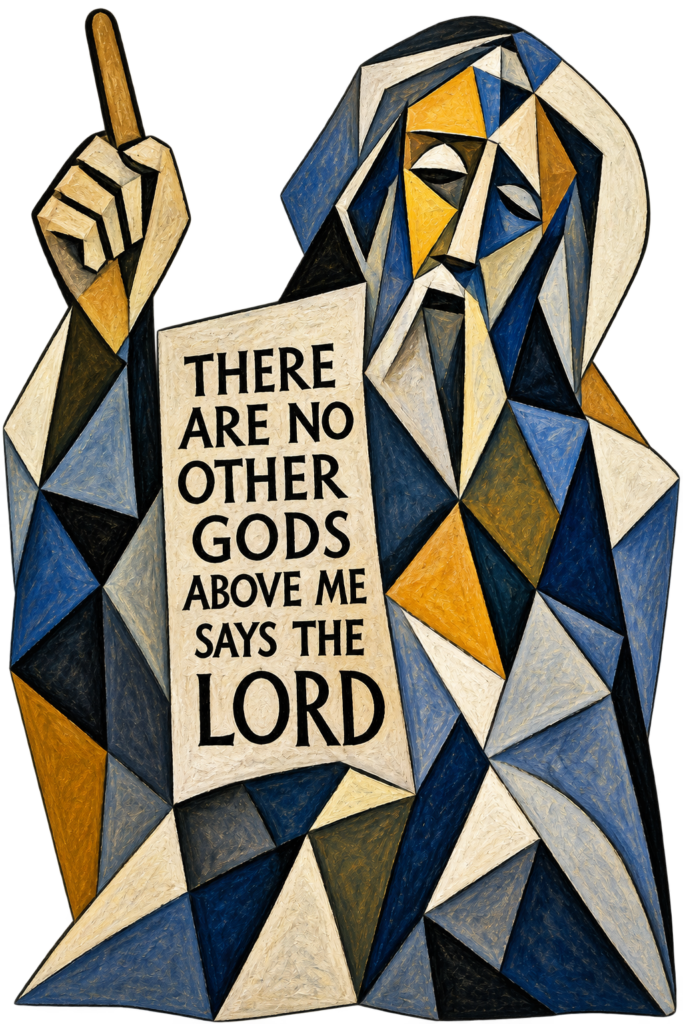
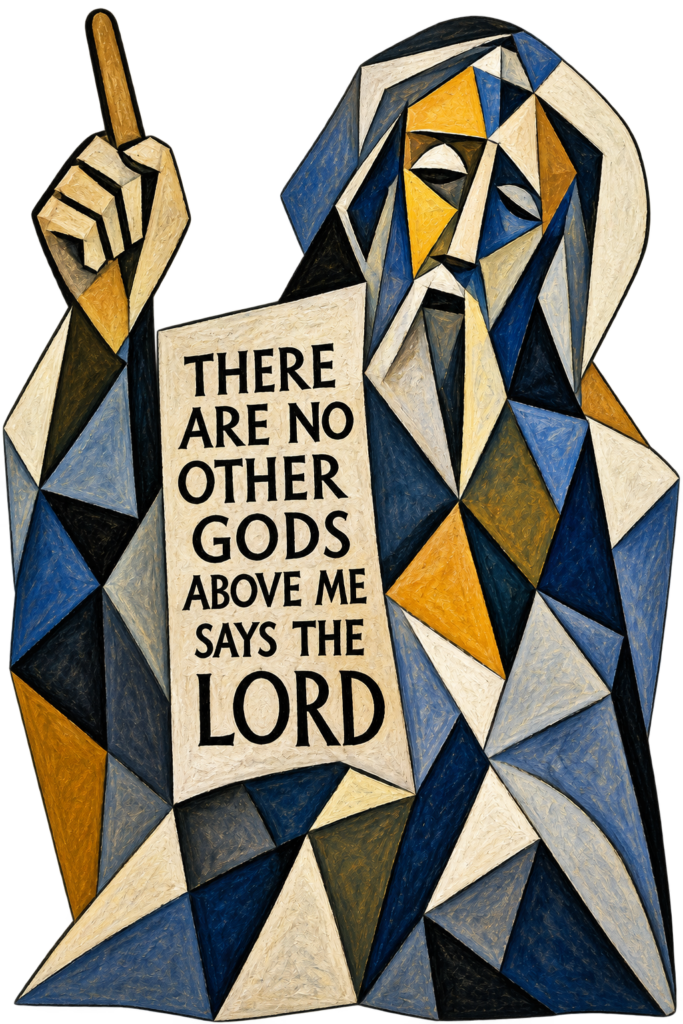
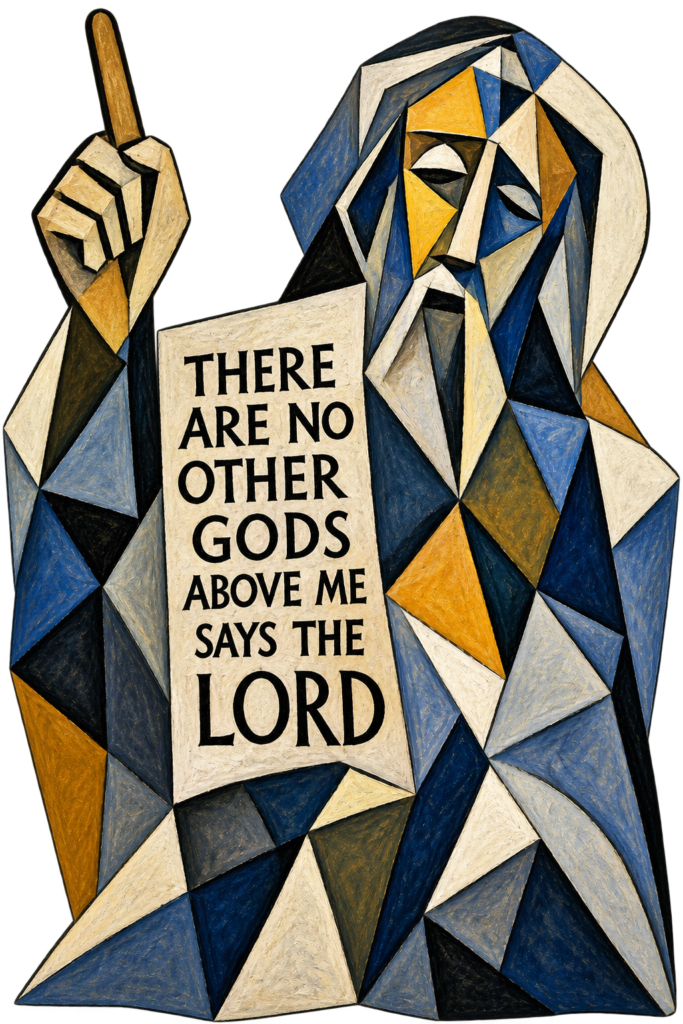
Occult practices and ‘Satanism’ aren’t just “New Age” trends with better branding: Scripture calls Christians to discernment, not a spiritual shopping spree—“test the spirits” (1 John 4:1), reject divination (Deuteronomy 18:10–12), and remember that even ‘Satan’ can appear as “an angel of light” (2 Corinthians 11:14). ‘Baphomet’ is no role model; a culture that confuses provocation with wisdom needs a compass, not another costume—“The fear of the LORD is the beginning of wisdom” (Proverbs 9:10). Christians need neither panic nor a publicity stunt, but the backbone to “have no fellowship with the unfruitful works of darkness” and the integrity to walk as “children of light” (Ephesians 5:11, 8). And because conviction is no license for cruelty, our response must speak “the truth in love” (Ephesians 4:15): challenge the beliefs, refuse the spectacle, and never forget the neighbor we are commanded to love (Matthew 22:39).
******************************
How can Christians find ‘common ground’ with ‘agnostic’ colleagues when it comes to working for the greater good?
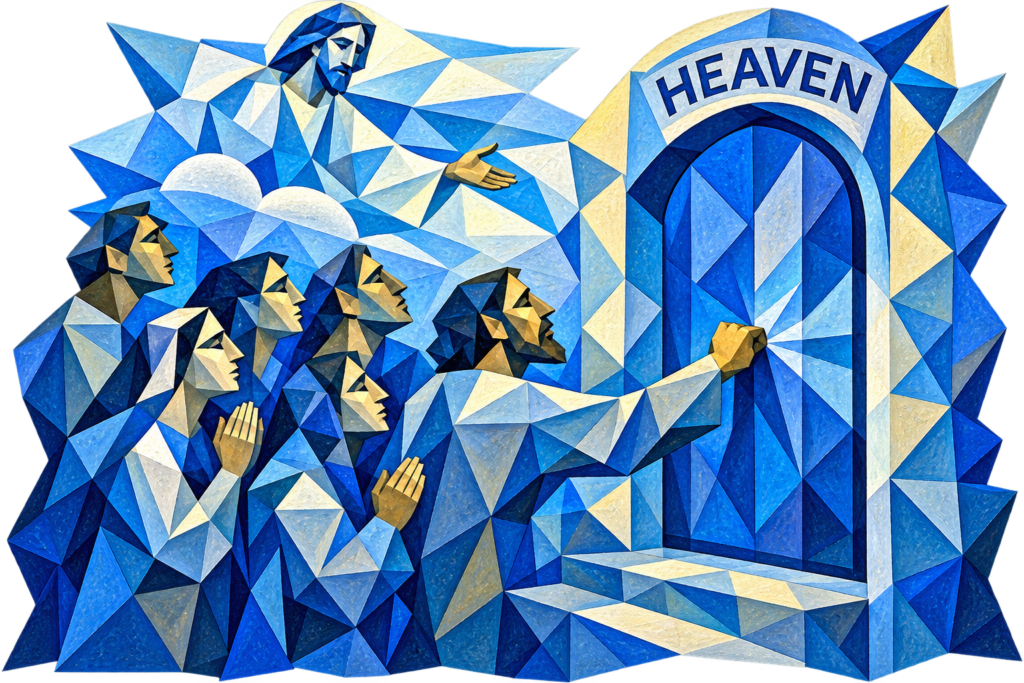
Christians don’t need a shared creed to find common ground—but we do need a moral compass sturdier than the latest opinion poll. Scripture tells us to “do justly,” “love mercy,” and “walk humbly” (Micah 6:8), to seek our community’s welfare (Jeremiah 29:7), and, “as we have therefore opportunity,” to “do good unto all” (Galatians 6:10)—not just those who pass a theology quiz. With agnostic colleagues, we can pursue honest government, care for vulnerable neighbors, and defend human dignity while testing proposals rather than trusting labels: “prove all things; hold fast that which is good” (1 Thessalonians 5:21). Cooperation is not conversion, and charity is not capitulation: speak “the truth in love” (Ephesians 4:15), refuse to “do evil, that good may come” (Romans 3:8), and remember that Jesus said “love thy neighbor” (Matthew 22:39).
**************************************
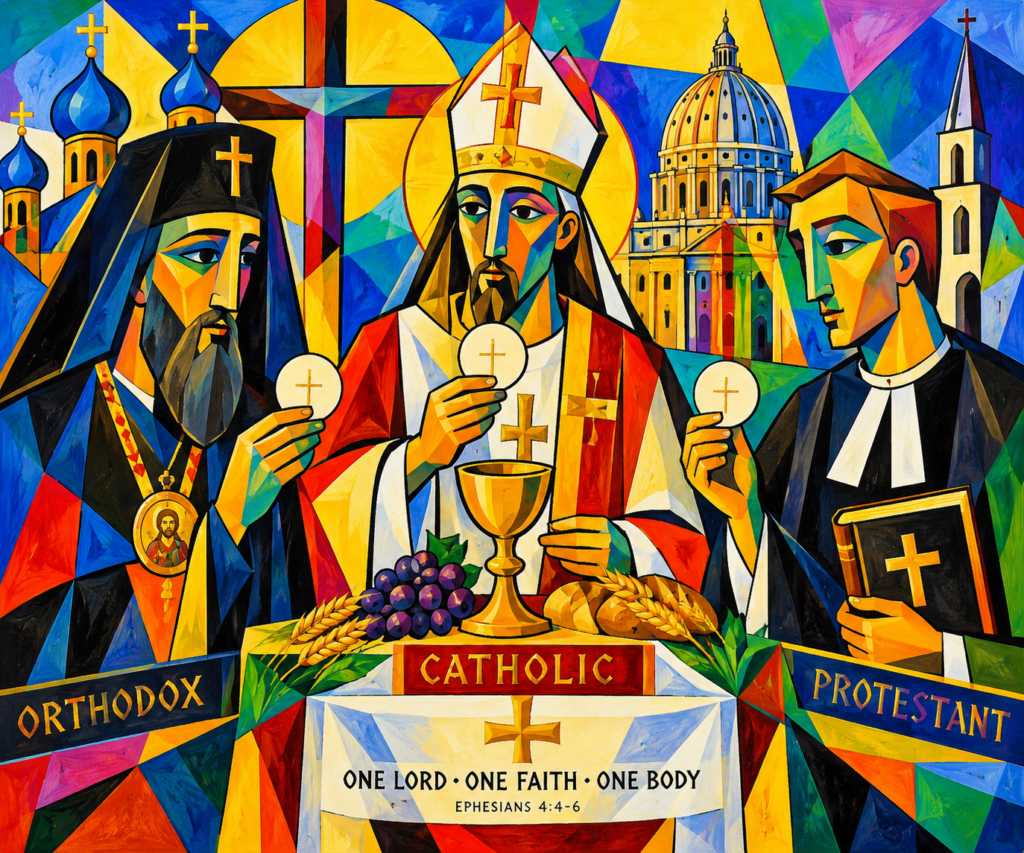
Faith in Contrast: Unpacking the Enduring Divisions Among Christianity’s Major Branches: Orthodox, Catholics, And Protestants
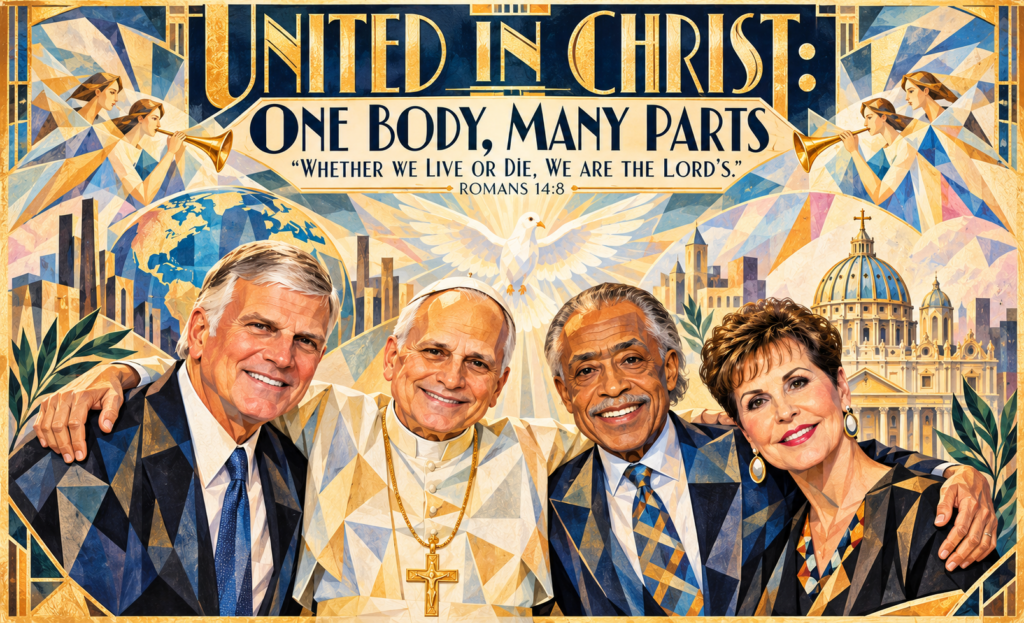
Christianity’s great branches share one Savior, yet we sometimes defend our denominational fences as though heaven had a homeowners’ association. Jesus prayed “that they all may be one” (John 17:21, KJV), while Paul asked the question our arguments still struggle to answer: “Is Christ divided?” (1 Corinthians 1:13). The differences among Catholics, Orthodox, and Protestants deserve examination—not a shrug disguised as tolerance—but defending doctrine never excuses abandoning charity: speak “the truth in love” (Ephesians 4:15), resist “vain jangling” (1 Timothy 1:6), and remember that knowledge without love makes us little more than “sounding brass” (1 Corinthians 13:1). The test of Christian conviction is not merely whether we can win the argument, but whether, through our disagreements, the world can still recognize Christ’s disciples by their love (John 13:35).
****************
****************************************************
Copyright 2026 ©Havah House Co. Policy Terms: the content of this website is a work of authorship and an intellectual property of Havah House Co. No portion of its content may be performed, reproduced, or used by any means, or disclosed to, quoted, or published in any medium without the consent of the owner.