

*****************************************
ONE PROVERB, FIVE TAKEAWAYS.
**************************************
Timeless life hacks inspired by King Solomon—the ultimate wisdom icon—to equip believers with reverence for God and empower them to walk uprightly in today’s world.
**********************************************


***************************
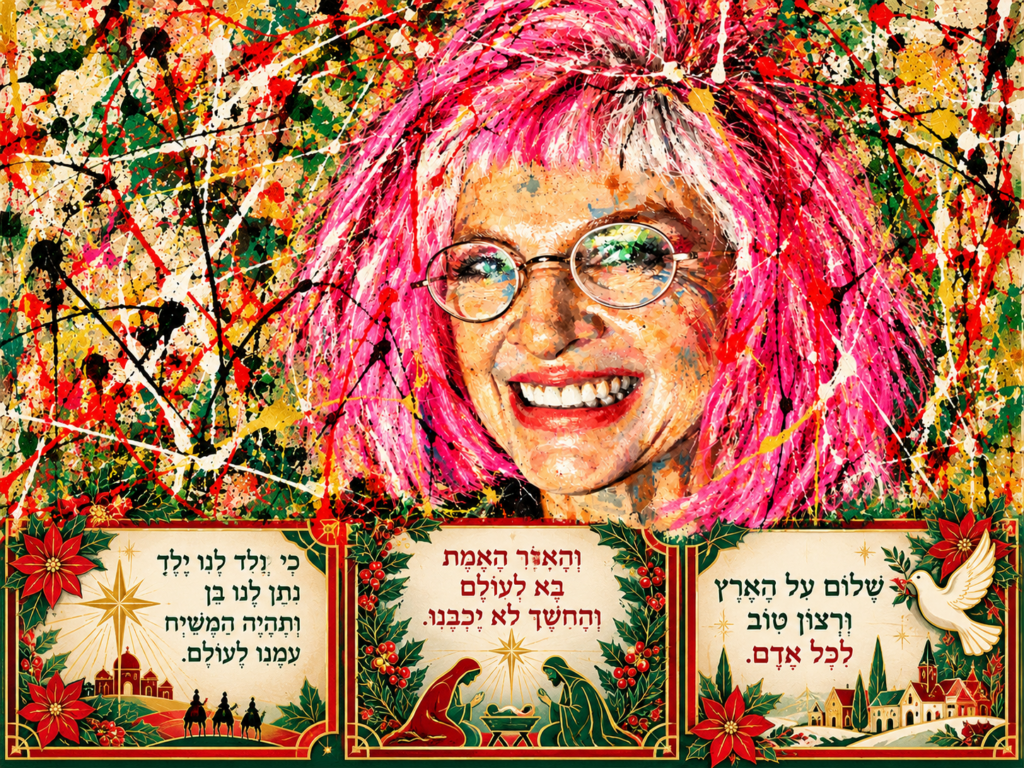
“Wisdom is a tree of life to those who take hold of her; those who hold her fast will be blessed.” (Proverbs 3:18)



******************************
Recognize blessings beyond possessions. The surrounding verses describe wisdom as more valuable than silver, gold, or jewels, and connect her paths with peace. The blessing in this passage invites a broader understanding of a rich life.
Root your life in what nourishes you. The “tree of life” image invites us to see wisdom as nourishment for our inner lives, not simply knowledge we collect.
Put wisdom into practice. “Take hold of her” suggests an active response: wisdom is something to embrace, not merely admire from a distance.
Mother Nature reflection. Picture a tree standing through changing weather. Let it represent your commitment to remain grounded when circumstances become uncomfortable. Holding fast can mean keeping your values while remaining willing to learn and change.
Let your growth become a gift to others. The passage’s life-giving image sits beside a description of God establishing the earth through wisdom. That connection makes creation a fitting companion for reflecting on a wise life.
***********************************
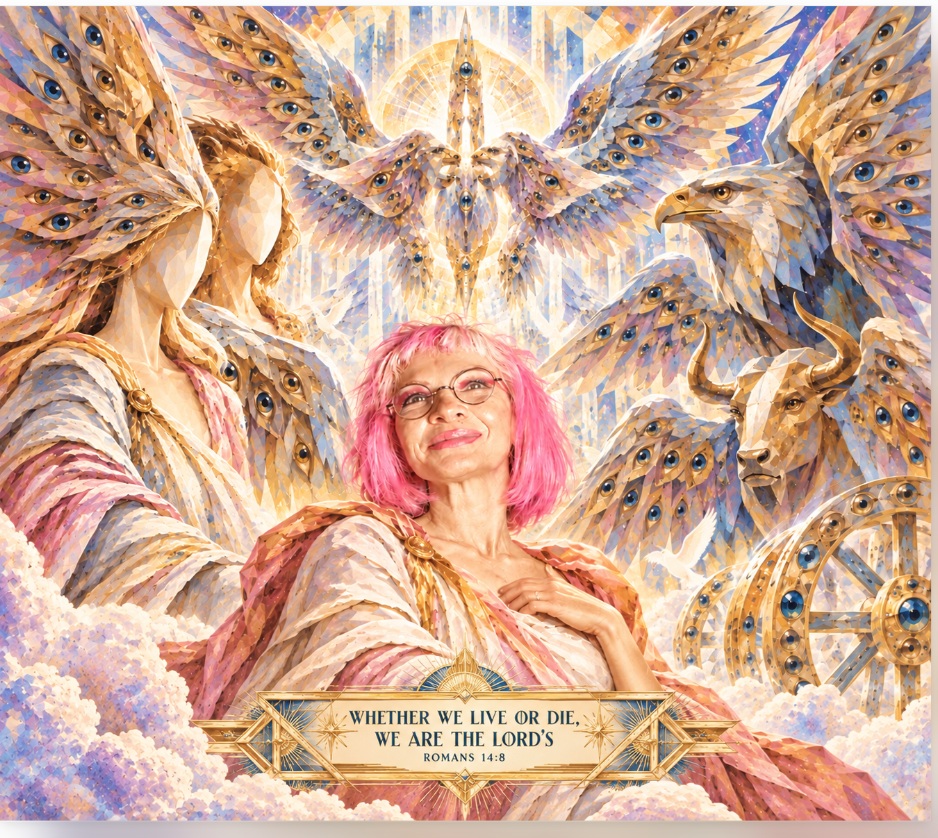
“When He prepared the heavens, I was there, when He drew a circle on the face of the deep.” Proverbs 8:27
WHERE DOES YOUR ENEGRGY GO? A CHRISTIAN REFLECTION ON PHYSICS AND FAITH
In classical physics, the Law of Conservation of Energy—famously developed by Sir Isaac Newton, a Trinity College, University of Cambridge alum (class of 1661)—says that energy can’t be created or destroyed, only transformed or moved around. Think about it: when you leave this world, your energy doesn’t just disappear. As a Christian, the real question is, who are you going to meet when that un-destroyable energy moves on?


Stories about Sir Isaac Newton—a devout Christian—at Cambridge are a world of wonder for all of us. Historical accounts show he (occasionally) lectured to empty walls because students sometimes did not attend his classes. The weather was cold and damp, but he was still there, lecturing to… no one. It’s irrelevant whether students attended or not. What matters is that he was there, the ‘walls were listening to him’, and he accomplished his goal and delivered his message.
***
Wisdom belongs to creation—not just to human understanding. “When He prepared the heavens, I was there” pictures wisdom as present before people could observe or explain the heavens. In the passage’s theological vision, wisdom is not something humans invented; it belongs to God’s ordering of creation.
The “circle on the deep” invites reflection on order and boundaries. The image of God drawing a circle on the deep is commonly understood as poetic language for establishing the horizon or setting boundaries upon the primordial waters—giving order to what appears unformed. A black hole also has a boundary: its event horizon, beyond which light cannot escape. What looks overwhelming to us need not be imagined as beyond God’s wisdom. The comparison is about boundaries and human awe, not a hidden astronomical code.
Black holes remind us that mystery is an invitation to humility. Black holes are physical objects that scientists study, yet they remain incompletely understood. Their extreme gravity and event horizons challenge our ordinary intuitions about the universe.
Superclusters enlarge our sense of creation’s scale. Galaxies gather into groups and clusters, and these can be arranged into still larger structures called superclusters. Together with vast voids and walls of galaxies, these structures form the universe’s cosmic web.
The passage connects cosmic wonder with the pursuit of wisdom. In its broader setting, Wisdom’s speech does more than describe the heavens: it invites human beings to seek wisdom in their own lives. Wisdom’s relationship to creation gives weight to that invitation.
*****************************************
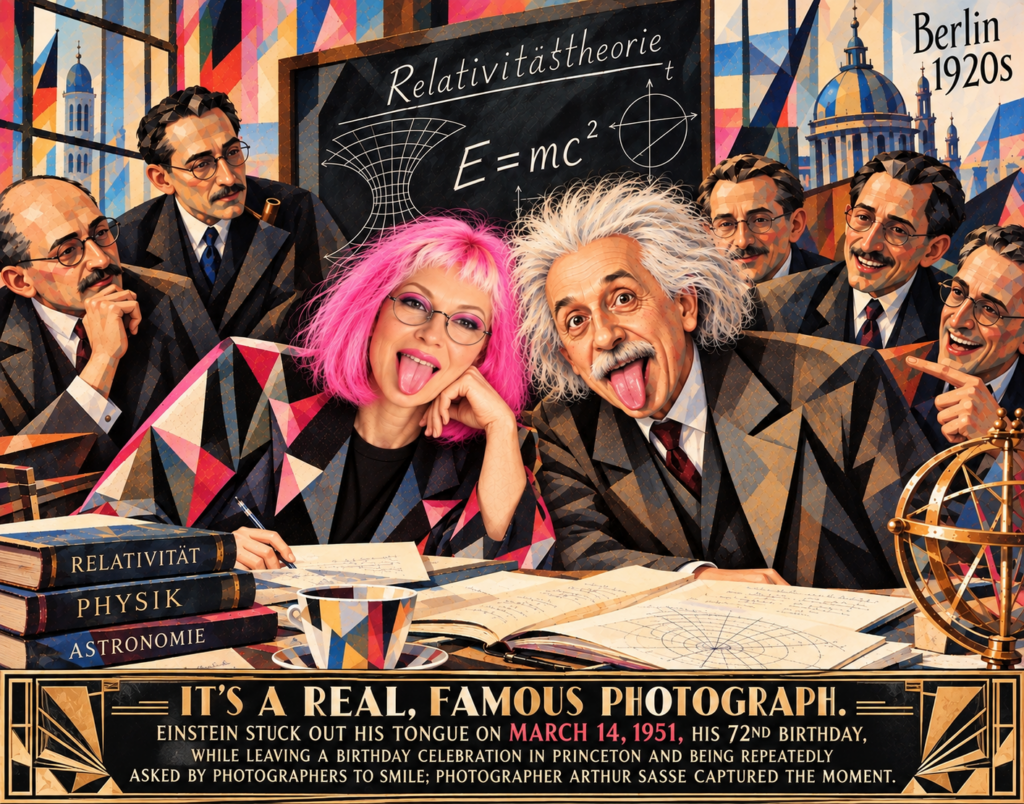
“The heart of the discerning acquires knowledge, for the ears of the wise seek it out.” Proverbs 18:15 (This encourages active seeking, observation, and learning—values closely associated with scientific inquiry)
“The theory produces a good deal but hardly brings us closer to the secret of the Old One. I am at all events convinced that God does not play dice.” (A. Einstein)


************************************
Seek understanding—don’t wait for it to come to you. “The ears of the wise seek it out” portrays learning as an active pursuit.
Examine information instead of accepting everything. “The heart of the discerning” suggests thoughtful judgment, not merely collecting information.
Listen to learn, not merely to defend your opinion. The verse’s emphasis on “ears” can invite us to approach learning with receptiveness.
Remain willing to grow beyond your present understanding. “Acquires knowledge” presents wisdom as continuing to learn. A useful application is to resist treating our current understanding as complete.
Turn information into reasoned understanding. The connection between discernment and knowledge invites us to do more than accumulate facts: we can consider what those facts mean.
*****************************************
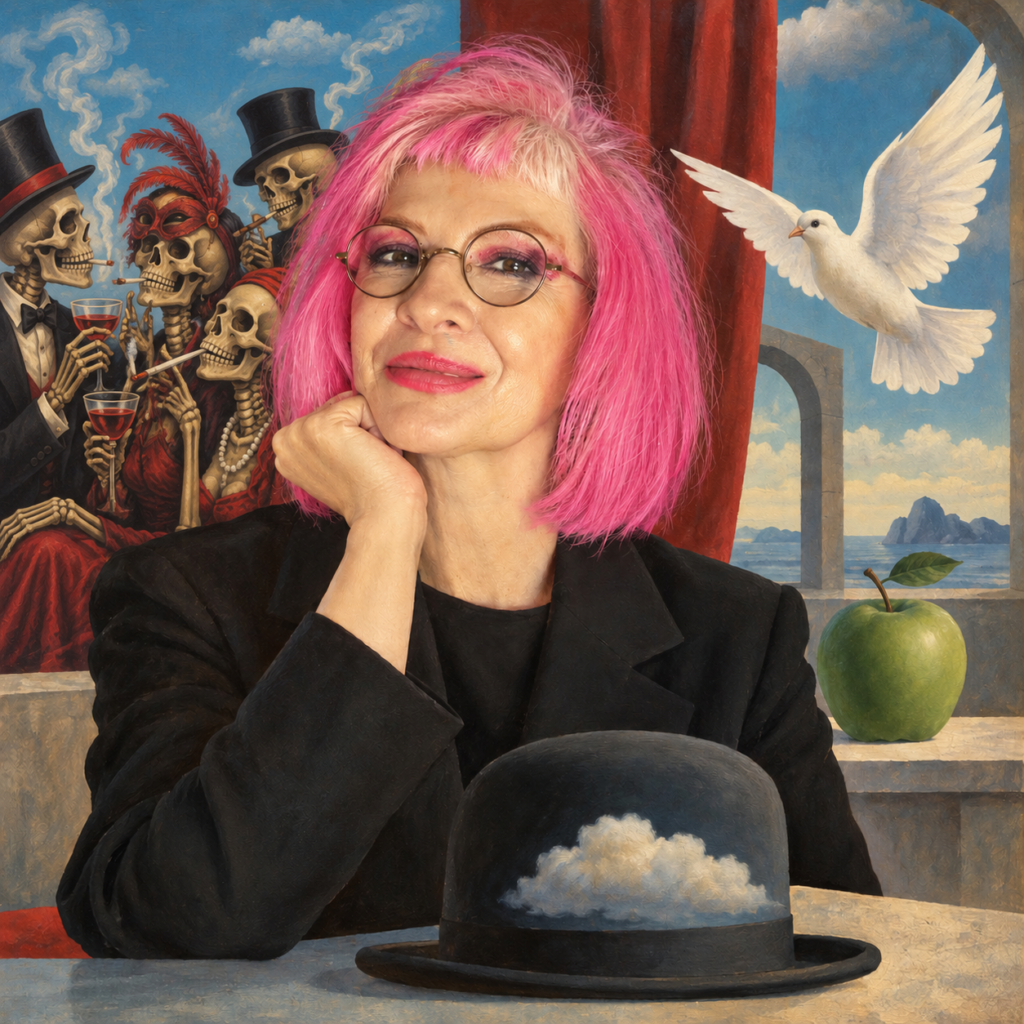
“Adversaries disguise themselves with their lips, but in their hearts they harbor deceit. Their malice may be concealed by deception, but their wickedness will be exposed in the assembly. Whoever digs a pit will fall into it; if someone rolls a stone, it will roll back on them.” (Proverbs 26: 24-26)
“It is not the healthy who need a doctor, but the sick. I have not come to call the righteous, but sinners to repentance.” (Luke 5:31)


*******************************************
Authenticity Matters: This Proverb highlights the Christian value of inner truth over outward appearances, warning that charming speech can hide a deceitful heart.
Divine Justice: It affirms the belief that hidden wickedness will ultimately be exposed, reflecting the Christian conviction that God sees all and justice prevails.
Self-Destructive Evil: The proverb teaches that those who plot harm for others will face the consequences themselves, a reminder of the Biblical principle of “reaping what you sow.”
Caution Against Flattery: It cautions believers to be wary of flattery and manipulation, aligning with the Christian call to discernment and wisdom in relationships.
Deceit may win for a moment, but it cannot defeat God’s truth—those who plot harm can fall into their own traps, so trust God rather than ‘human capabilities’.
***************************************
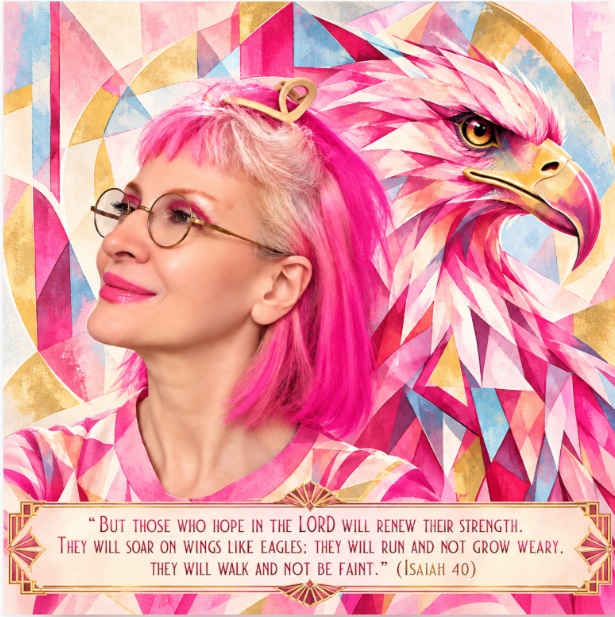
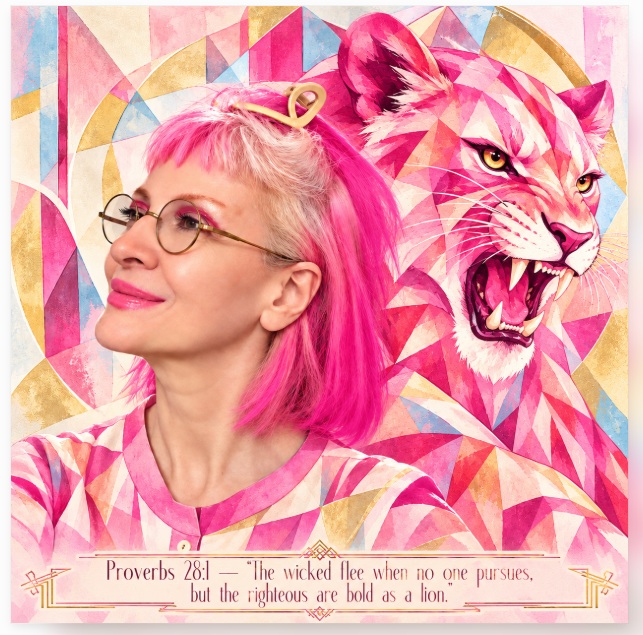
“The wicked flee when no one pursues, but the righteous are as bold as a lion.” (Proverbs 28:1)
BLESSED FULTON SHEEN (Link) BILLY GRAHAM (Link)
“Do not be afraid of those who kill the body but cannot kill the soul. Rather, be afraid of the One who can destroy both soul and body in ‘hell’.” (Matthew 10)
Jesus makes it clear: people can destroy the body, but only God controls the fate of both soul and body. You don’t need to accept the Bible’s authority just because it is sacred to others. It is reasonable to test its claims, ask hard historical and moral questions, and reject simplistic interpretations. But from an empirical Christian perspective, it is the Word of God through His prophets.
Courage can be quiet. Being “bold as a lion” doesn’t mean being loud or intimidating; it can mean standing calmly in what is right because your conscience is clear and your trust is in God.
A clear conscience gives you confidence. When you act honestly, you do not have to keep looking over your shoulder or maintaining a false story. Living with integrity allows you to stand more securely.
Trust in God provides a foundation for boldness. The righteous person’s confidence is not merely confidence in personal strength. It grows from seeking to live faithfully before God and trusting in His care.
Being bold does not mean being arrogant or aggressive. Being “as bold as a lion” points to steady moral courage: standing for what is right rather than intimidating others, showing off, or acting recklessly.
Feeling afraid does not mean you are wicked. This proverb contrasts the insecurity of wrongdoing with the confidence of integrity; it is not a judgment against everyone who experiences fear or anxiety. Faithful people can feel afraid and still choose to do what is right.
Blessed Archbishop Fulton Sheen
A lot of old-school philosophers (skeptically) side-eyed art or saw it as just a chill remix of deeper truths, even though aesthetics is still a big deal in philosophy. But Blessed Fulton Sheen flipped the script—he looked to artists like Dostoevsky, Robert Hugh Benson, and Vladimir Solovyov to break down spiritual warfare, believing artists vibe with spiritual truths way before philosophers catch on.
******************************************
***********************************************
“Like golden apples in silver settings are words spoken at the proper time.” (Proverbs 25:11)
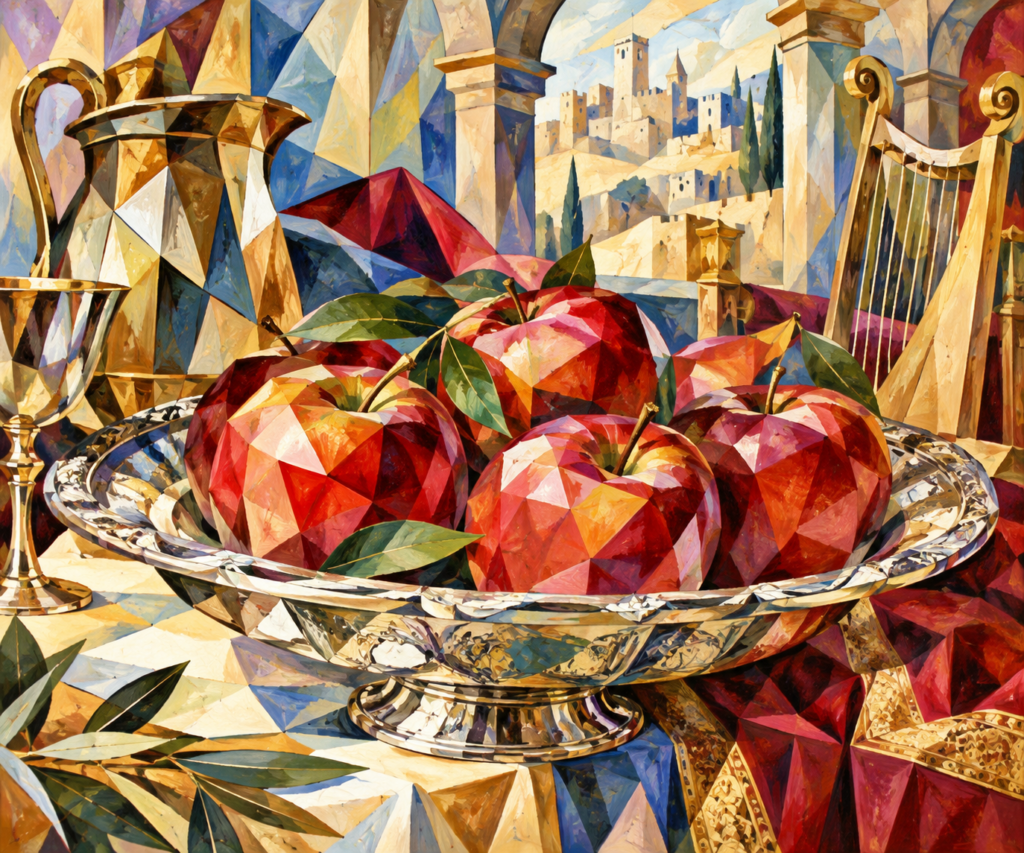

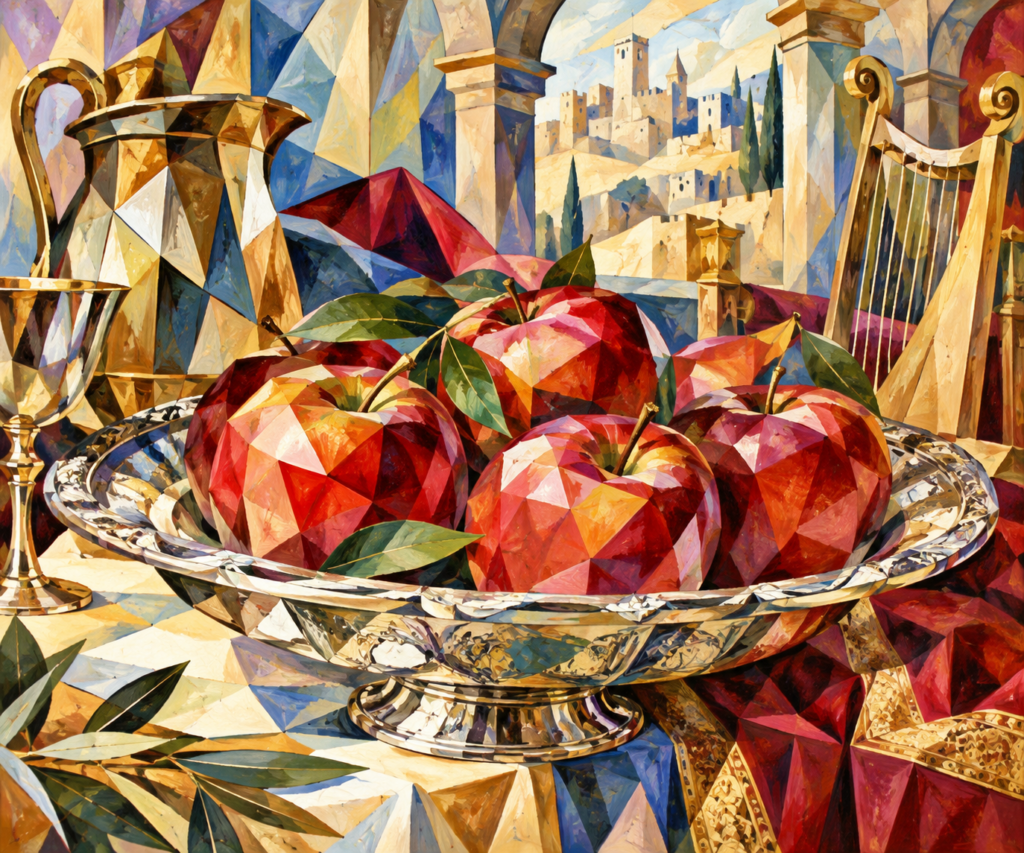
The value of well-timed words is immeasurable, as they can bring clarity, comfort, or wisdom when most needed.
Thoughtful communication—speaking the right words at the right time—can be as precious and beautiful as fine art.
Timing is crucial in relationships; knowing when to speak can strengthen bonds and foster understanding.
Just as golden apples set in silver are visually striking, so are words that fit the moment, leaving a lasting positive impact.
Mindful speech is a rare and treasured skill, reminding us to consider not just what we say, but when and how we say it.
*******************************************
“In their hearts humans plan their course, but the Lord establishes their steps.” (Proverbs 16:9)
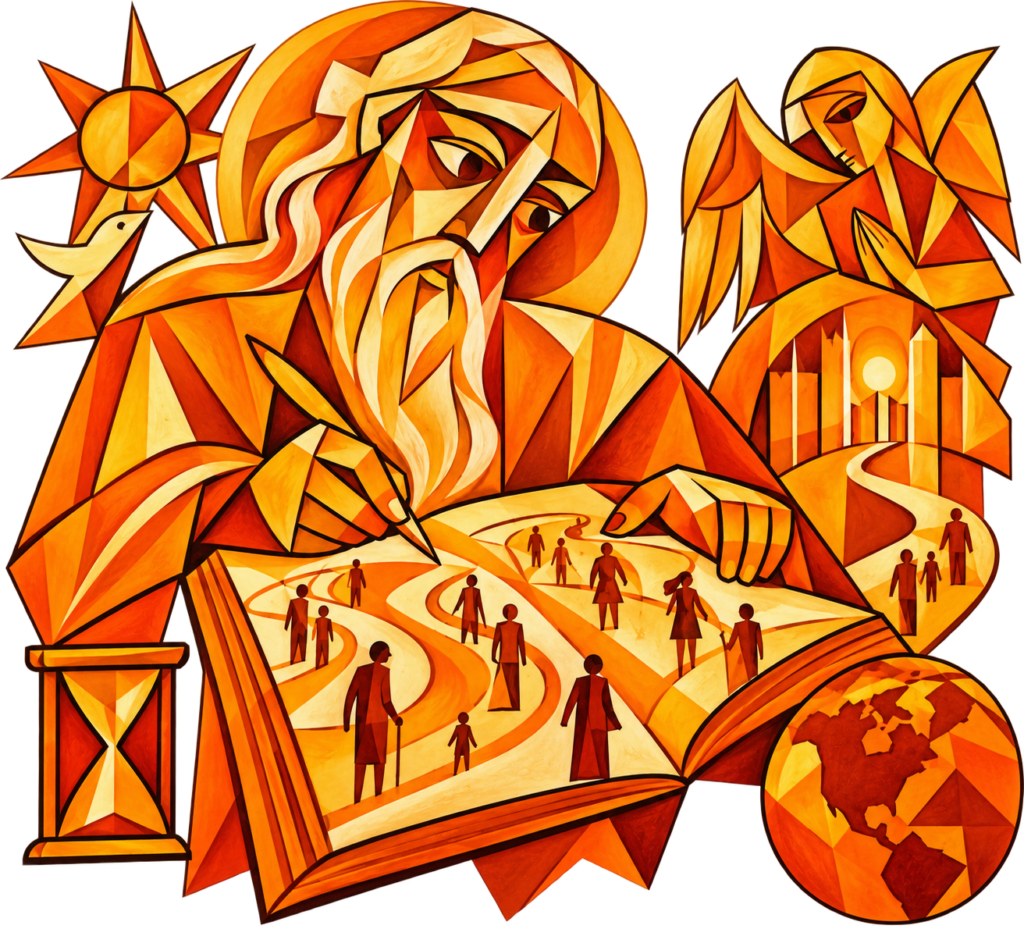
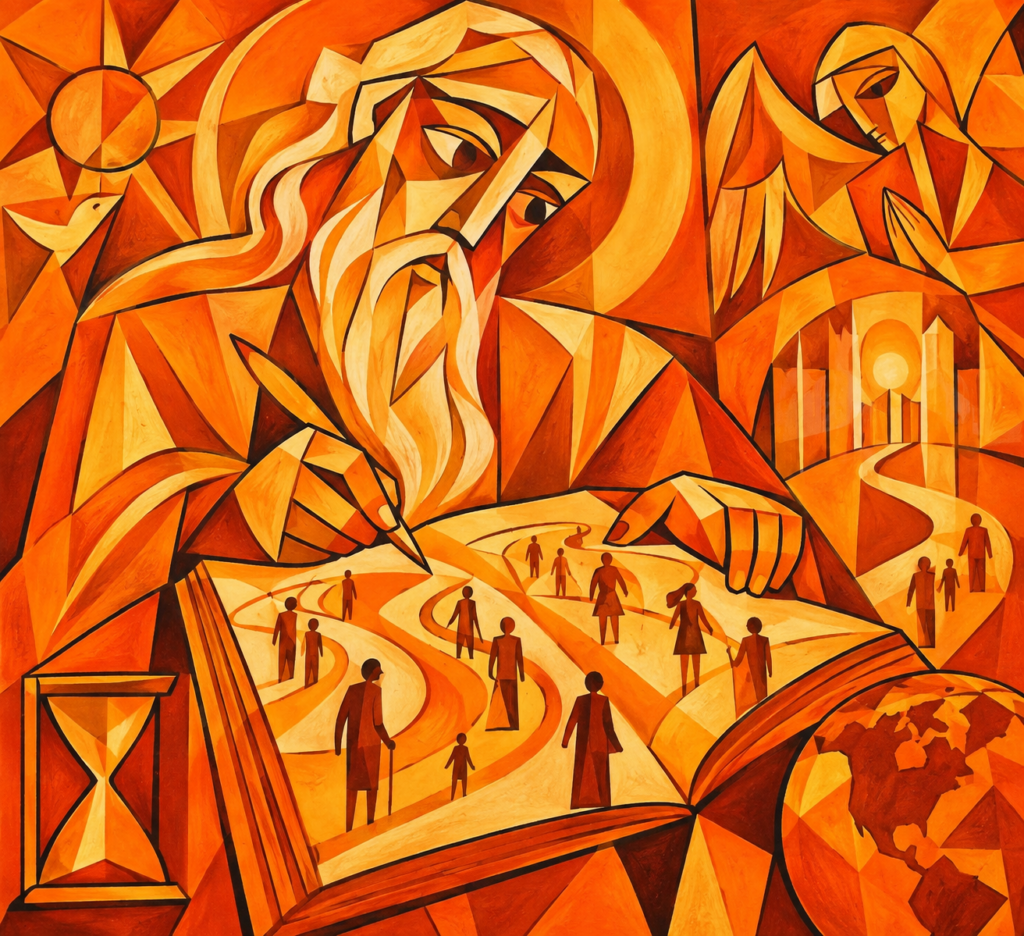
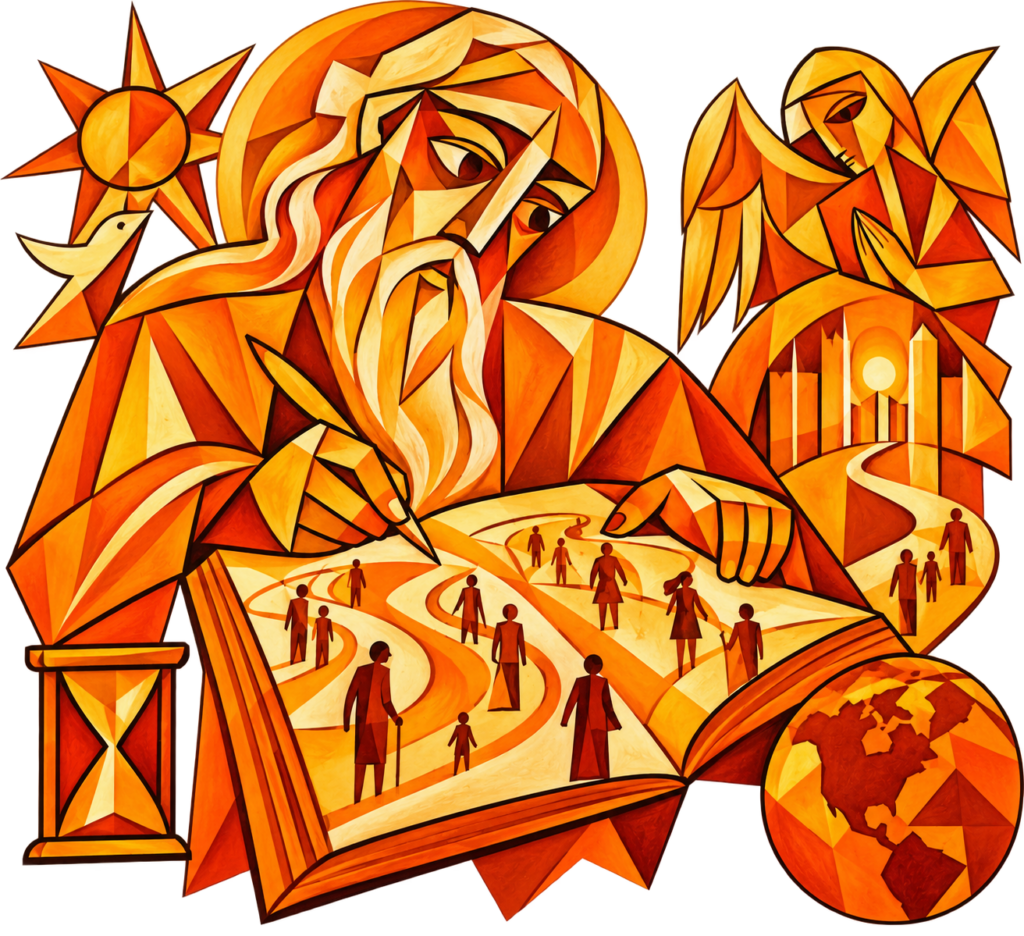
Our ambitions are drafts; God writes the final story.
Every step that feels random is guided by a divine hand.
Human plans are shadows; God’s will is the light.
Surrendering control opens us to sacred surprises.
Destiny is a mystery God authors, not our design.
**************************************************
“The fear of the Lord is the beginning of knowledge.” (Proverbs 1:7)

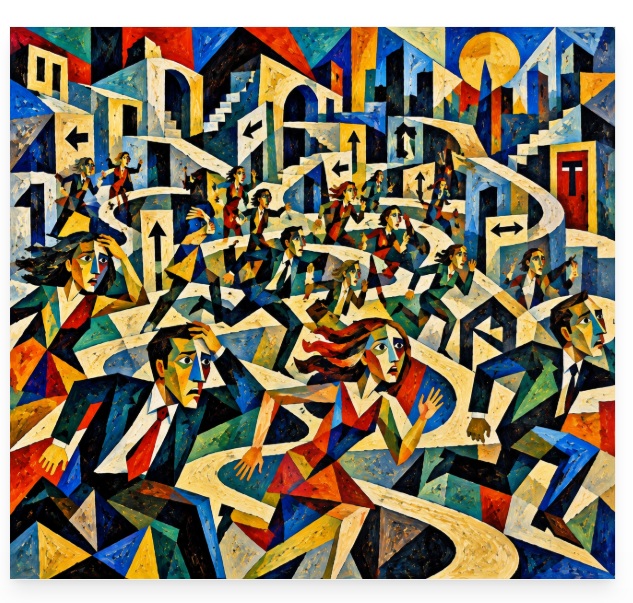

Real wisdom kicks off when you actually respect God. It’s about knowing there’s something bigger out there—humility is the real flex.
“Fear” here isn’t about being scared—it’s about respect. Think awe, not anxiety. Take God seriously, not fearfully.
Knowledge isn’t just trivia—it’s meant to make life and the world better. What you know should lift others up.
Staying humble and standing on your principles is key. Owning your limits and trusting in something bigger helps you gain real insight.
Respect for God shapes your vibe—it’s about living with intention and serving something beyond just yourself.
*******************************************
Historically, churches and religious leaders served as the primary centers for learning, literacy, and the preservation of knowledge in Europe. The collaborative efforts between teachers and students gave rise to the first universities, including those in Bologna and Paris. Many renowned Enlightenment and philosophical thinkers—such as Kafka, Sartre, Camus, Nietzsche, Descartes, Kant, Heidegger, Foucault, Voltaire, Rousseau, Locke, and Thomas More—are familiar names. However, theologians note that, while these figures offered profound insights, their discussions often centered on material concerns or the nature of existence, frequently overlooking the spiritual dimension. For Christian scholars, the wisdom found in Scripture not only stimulates the intellect, but also nourishes the soul.
**********************************************
Copyright 2026 ©Havah House Co. Policy Terms: the content of this website is a work of authorship and an intellectual property of Havah House Co. No portion of this content may be performed, reproduced, or used by any means, or disclosed to, quoted, or published in any medium without the consent of the owner.