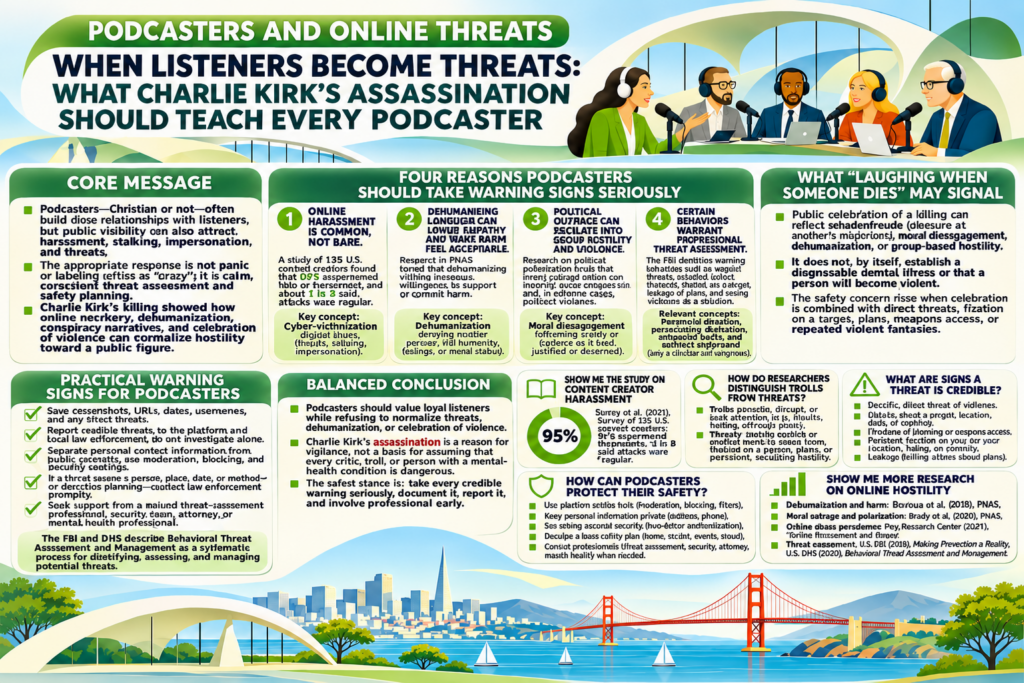
**************************************
***************
A Christian Woman’s Guide to Boundaries and Legal Protection
To all women, especially Christian women—married or single: consult with God, your husband, and your family. God and your family can provide wisdom, protection, and strength.
“He who tells a lie is not sensible of how great a task he/she undertakes; for she/he must be forced to invent twenty more to maintain that one.” (Alexander Pope)
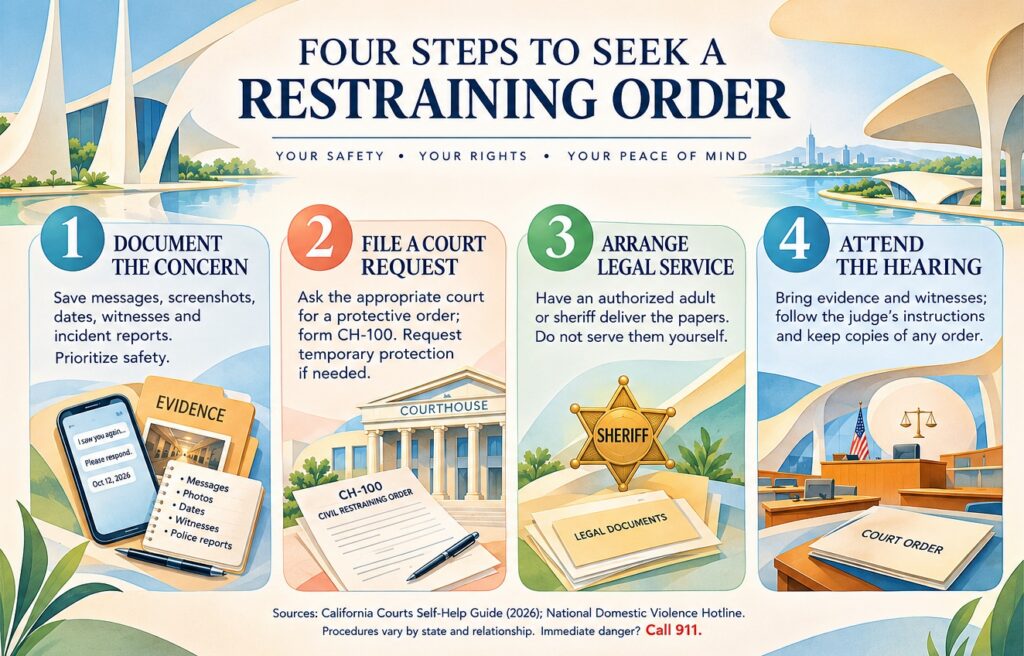
From a clinical psychology standpoint, it is imperative to address the experiences of Christian women—married or single—who may be subjected to inappropriate, intrusive, or predatory conduct by individuals within or outside their faith community. When contemplating protective measures, including the pursuit of a restraining order or the issuance of a legal notice via counsel, it is essential to acknowledge that such actions are predicated on legitimate and substantiated concerns, not on speculative or imagined circumstances. To clarify: If you have undertaken these measures and/or have “issued or received” a restraining order notification, this discussion pertains to you. If you have not, the following may not apply.
For those who have taken such steps, it is important to consider how to process these experiences while safeguarding yourself and family.
When Safety Is Concerned: “Restraining Orders”
Once a restraining order is issued, any form of contact from the respondent may be considered an act of aggression.
If you or your legal counsel have issued a restraining-order notification, it signifies the gravity of the situation and may pertain to an individual whose behavior is manifestly dysfunctional. You may be confronted with a party who has developed an unhealthy fixation or obsession directed toward you. Consider whether you are experiencing harassment, stalking, threats, or a persistent sense of insecurity. If so, ensure that all relevant evidence—such as messages, calls, encounters, dates, and witness accounts—are thoroughly documented, as such documentation is critical in both legal and clinical contexts.
If the conduct is immediate, threatening, or escalating, it is imperative to contact law enforcement without delay, consistent with the right to seek protection under the law as guaranteed by the Due Process Clause of the Fourteenth Amendment to the United States Constitution. Otherwise, deliberate on the matter with prayerful consideration and consult with your spouse. Jointly determine the appropriate course of action, which may include instructing your attorney to issue a formal legal notification or to pursue a restraining order under applicable state and federal statutes. In many instances, the establishment of a clear legal boundary may be sufficient to resolve the matter.
Public Life and Obsession/Fixation
In the realms of celebrity (arts) and journalism (media), it is not uncommon for certain audience members to imagine they share an emotional connection with a public figure. Some may believe that a celebrity or journalist is emotionally involved with them, emotionally distressed because of them, or fantasize being involved in a “secret relationship”—even though the two individuals have never met. In more serious cases, these beliefs may be entirely fabricated or maintained solely in the individual’s mind, leading to increasing emotional complexity. If you are a Christian woman—married or single—and you are navigating a similar situation, especially while holding a public position, seek wisdom through prayer and consult with your husband and extended family. Together, decide which boundaries, documentation, legal measures, and safety precautions are appropriate.
Parasocial Attachment
In many instances involving public figures, the situation may reflect a parasocial relationship—a one-sided emotional attachment to a media figure, journalist, character, or celebrity. In more extreme cases, it may resemble Celebrity Worship Syndrome, in which admiration becomes an intense preoccupation or fixation. According to research by Dr. Rebecca Tukachinsky Forster, author of Parasocial Romantic Relationships: Falling in Love with Media Figures, approximately 80 percent of people report having experienced some form of fanciful or one-sided romantic connection with a media figure, character, or celebrity.
However, when someone moves beyond an ordinary admiration and begins claiming an active, secret, or reciprocal relationship with a public figure—or asserts that the public figure is emotionally distressed because of them—clinicians may view this as an intense psychological fixation rather than ordinary fandom. This is especially concerning when elaborate stories or false claims are involved, particularly if the public figure is married. Parasocial relationships are inherently one-sided, while more extreme celebrity worship can involve obsessive preoccupation and potentially harmful behavior.
A Legal and Physical Boundary
Under such circumstances, in consultation with your spouse, extended family, and legal counsel, the issuance of a restraining-order notification or pursuit of appropriate legal remedies constitutes a prudent and necessary protective measure. Such action is consistent with the right to security of person, as protected by the Due Process Clause of the Fourteenth Amendment and relevant state constitutional provisions. In numerous cases, a formal legal notice suffices to establish unequivocally that the conduct in question is unwelcome and will not be tolerated under the law.
*Stalking: Physical or Online*
- Safety first: If you’re in immediate danger, call 911; if followed, go to a staffed public place rather than home.
- Protect your finances: If accounts or cards are compromised, contact your bank to secure or replace them; if identity theft is a concern, freeze your credit with Equifax, Experian, and TransUnion.
- Secure your home: Check locks, windows, and outdoor lighting, and tell trusted people what’s happening.
- Protect your online accounts: Change compromised passwords, enable two-factor authentication, and avoid posting your location or daily routine.
- Save evidence and get support: Keep messages, screenshots, and a dated incident log; report stalking to police and ask a victim advocate about safety planning and restraining-order options.
To all women, especially Christian women—married or single: consult with God, your husband, and your family. God and your family can provide wisdom, protection, and strength.
Stay safe. Stay well. And have a wonderful holiday season.
ADDENDUM
Mental illness should not automatically be used to explain cruelty or violence—people can be cruel and mean (perverse) regardless of mental illness. Ultimately, it comes down to one’s character and violent instinct
Most people living with mental illness are not violent and can live peacefully in their communities. Cornell’s research summary emphasizes that most are not dangerous, while Harvard Health notes that treatment and psychosocial support can improve quality of life and reduce harm. Mental illness and harmful behavior can coexist, but a diagnosis alone does not establish someone’s character or explain a cruel act.
- Harvard Health: In “The Tucson shooting and mental illness” (2011), Harvard explains that treatment for chronic mental illness and substance use reduces the risk of violence and suicide, and that psychosocial interventions are important for improving quality of life and reducing harm.
- Yale School of Medicine: Forensic psychiatrist Alec Buchanan explains that assessing violence risk requires attention to a person’s background, substance use, and previous violence—not simply a psychiatric diagnosis. His research summary identifies a history of violence as especially important in long-term predictions.
- Cornell University: Its summary “What we know about gun violence” (2014), drawing on an American Psychological Association report, states that most people with mental illness are not dangerous and that treatment helps prevent violence among those whose mental health problems contribute to it.
- Oxford research: A 2009 systematic review covering 20 studies and 18,423 people with schizophrenia or other psychoses found an association with violence, but concluded that much of the excess risk appeared to be mediated by co-occurring substance abuse. This supports a nuanced argument—not the claim that mental illness can never contribute to violence.
- The New York Times: A 2013 expert commentary reported that people with severe mental illness account for approximately 3–5% of violent crimes in the general population. Present this as an estimate reported in that commentary, not as a current universal statistic or the percentage of people with mental illness who are violent
******************************
Copyright 2026 ©Havah House Co. Policy Terms: the content of this website is a work of authorship and an intellectual property of Havah House Co. No portion of its content may be performed, reproduced, or used by any means, or disclosed to, quoted, or published in any medium without the consent of the owner.